Coolest Fridge Magnets: 4 Materials That Sell in 2026
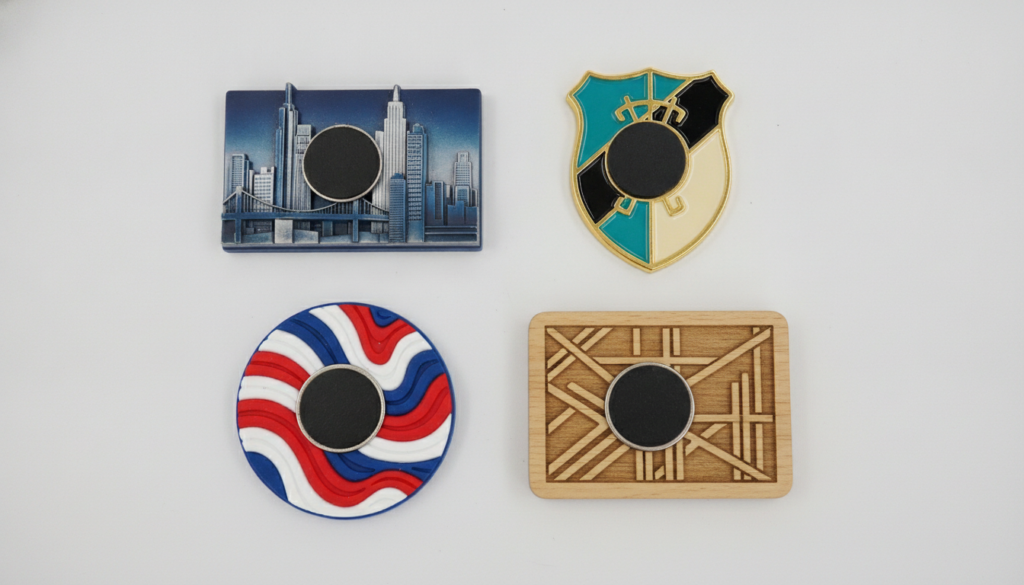
The coolest fridge magnets combine visual impact with functional durability: 3D resin delivers multi-layer relief and vivid color separation, soft PVC offers tactile rubber texture with clean color blocks, die-cast metal provides enamel paint detail with plated finishes, and laser-engraved wood brings natural grain contrast. Magnista produces all four to your specification, with design proof, physical sample sign-off, and pre-shipment checks before bulk.
📋 Table of Contents
- Executive Summary
- What Makes a Fridge Magnet Cool?
- 3D Resin Magnets: Multi-Layer Relief and Color
- Soft PVC Magnets: Tactile Rubber Texture
- Metal Magnets: Enamel Detail and Premium Feel
- Wood Magnets: Natural Grain and Eco Appeal
- How Is Magnet Strength Verified?
- Design Proof and Physical Sample Sign-Off
- Key Takeaways
Executive Summary
- Visual impact drives impulse purchase: 3D resin and soft PVC deliver the highest relief depth and color contrast, making them shelf standouts in crowded gift displays.
- Material choice depends on design complexity: Resin handles fine text and multi-layer scenes; PVC suits bold mascots and logos; metal offers enamel precision; wood brings natural texture.
- Magnet pull strength varies by backing: Ferrite ceramic is standard; neodymium rare-earth adds holding power for heavier designs or vertical surfaces.
- Sample sign-off prevents production mismatches: A physical sample confirms that thin lines, small color areas, and magnet adhesion survive the production process before bulk begins.
- Retail packaging affects displayability: Poly bags with printed header cards, blister packs, and gift boxes each serve different merchandising strategies and price points.

What Makes a Fridge Magnet Cool?
A cool fridge magnet combines three elements: visual distinctiveness that stops a shopper mid-browse, functional reliability so it holds weight without sliding, and a tactile quality that invites touch. Buyers report that weak magnetic pull is a common failure mode, inexpensive promotional magnets slide down the refrigerator or scratch appliance finishes. The coolest designs balance form and function, using material properties that enhance the artwork rather than constrain it.
Visual Distinctiveness: Relief, Color, and Finish
Relief depth creates shadow and dimension. 3D resin magnets are cast in layers, so a skyline or architectural detail can rise several millimeters above the base. Soft PVC uses injection molding to produce raised logos and character outlines with clean edges. Metal magnets rely on die-struck recesses filled with enamel paint, then plated in gold, silver, or antique finishes. Wood magnets gain contrast through laser engraving that exposes lighter grain beneath a stained or UV-printed surface.
Functional Reliability: Magnet Backing and Weight
Ferrite ceramic backing is standard across all four materials and holds typical souvenir weight on vertical refrigerator doors. Neodymium rare-earth backing adds cost but delivers stronger pull for heavier resin or metal designs, or for use on tilted or non-ferrous surfaces. Buyers should specify backing type at quotation, because switching after sampling requires new tooling.
Tactile Quality: Surface Texture and Edge Finish
Soft PVC feels like rubber and resists scratches. Resin has a hard, glossy surface that catches light. Metal is cold to the touch and carries weight in the hand. Wood feels warm and shows natural grain variation. Edge finish matters: resin and PVC are molded with rounded edges; metal is tumbled or hand-polished; wood is sanded smooth or left with a raw laser-cut edge for rustic appeal.
3D Resin Magnets: Multi-Layer Relief and Color
3D resin magnets are cast in layers, with each color poured separately into a mold cavity. This process produces vivid color separation and multi-level relief, making them ideal for iconic landmarks, detailed city scenes, and complex mascots. The resin cures hard, so the finished magnet resists impact and surface scratches better than soft materials.
How Multi-Layer Casting Works
The base layer is poured first and allowed to cure. Subsequent colors are poured into recessed areas of the mold, building height and detail. Fine lines and small color areas require careful mold design; if a feature is too thin, resin may not flow cleanly or may merge with adjacent colors. A physical sample is the only way to confirm that thin text and small details survive the pour before bulk production starts.
In practice: Resin magnets are cast in layers, so a physical sample confirms that thin text and small color areas survive the pour before bulk production begins, preventing color bleed and lost detail in the final shipment.
Color Accuracy and Pantone Matching
Resin accepts pigment directly, so Pantone color matching is more precise than with printed processes. Buyers provide Pantone codes at the design-proof stage. The production partner mixes pigment to match, then casts a sample for approval. Variations in curing temperature or resin batch can shift color slightly, which is why sample sign-off is mandatory.
Surface Finish Options
- Glossy: High-gloss resin catches light and makes colors appear more saturated; most common for tourist souvenirs.
- Matte: Reduces glare and fingerprints; preferred for museum store and corporate gifts where understated design is desired.
- Metallic flake: Adds sparkle by suspending metallic particles in the resin; popular for holiday and special-event designs.
Soft PVC Magnets: Tactile Rubber Texture
Soft PVC magnets are injection-molded from flexible rubber compound, producing a tactile surface that resists scratches and feels soft to the touch. The process suits bold logos, mascots, and character designs where clean color blocks and raised outlines matter more than fine detail. PVC is lighter than resin or metal, which reduces shipping cost per unit.
Injection Molding and Color Blocks
PVC is heated to liquid state, then injected into a mold cavity. Each color requires a separate injection step, so designs with many colors increase production complexity and cost. The mold creates raised and recessed areas, giving the magnet a 3D profile. Clean color separation depends on precise mold alignment; misalignment causes color bleed at edges.
Pantone Matching in PVC
PVC compound is pre-colored before injection, so Pantone matching is achievable but less precise than with resin pigment. Sample approval confirms that the final color meets brand standards. Buyers should expect slight variation between batches, especially for custom mixed colors outside standard PVC palettes.
Durability and Scratch Resistance
The rubber surface absorbs minor impacts and resists scratches from keys, coins, and other objects in a bag or display bin. This makes soft PVC magnets well-suited for high-touch retail environments where handling is frequent. The material does not crack or chip like hard resin, but it can tear if subjected to sharp edges or excessive stretching.
Metal Magnets: Enamel Detail and Premium Feel
Metal magnets are die-cast from zinc alloy or stamped from brass, then filled with enamel paint and plated in gold, silver, nickel, or antique finishes. The process produces fine detail and a premium weight-in-hand feel, making them popular for museum stores, corporate gifts, and upscale souvenir lines. Metal magnets cost more per unit than resin or PVC but command higher retail prices.
Die-Casting vs. Stamping
- Die-cast zinc alloy: Molten metal is injected into a steel mold, producing complex 3D shapes with undercuts and raised details. Best for sculptural designs and high-relief logos.
- Stamped brass: Flat brass sheet is stamped and etched to create recessed areas for enamel. Produces thinner, lighter magnets with less relief but sharper line detail.
Enamel Paint and Plating
Recessed areas are hand-filled with enamel paint, then baked to cure. Soft enamel sits below the metal surface, creating a textured feel; hard enamel is polished flush with the metal for a smooth finish. Plating is applied after enamel curing: gold, silver, nickel, antique brass, or black nickel. Each plating option changes the visual tone and perceived value of the finished magnet.
Weight and Magnet Backing
Metal magnets are heavier than resin or PVC, so ferrite ceramic backing may not provide sufficient pull. Neodymium rare-earth backing is often specified to ensure the magnet holds securely on vertical surfaces. The added weight also affects shipping cost, so buyers should calculate landed cost per unit when comparing metal to lighter materials.
Wood Magnets: Natural Grain and Eco Appeal
Wood magnets are laser-cut from plywood or solid hardwood, then engraved or UV-printed with the design. The natural grain shows through, giving each piece unique texture. Wood appeals to eco-conscious buyers and fits rustic or nature-themed retail environments. The material is lighter than metal and less expensive than 3D resin for simple designs.
Laser Cutting and Engraving
A laser cutter follows a vector file to cut the magnet shape, then engraves the design by burning away surface material. Engraving depth is shallow, typically under one millimeter, so fine detail requires high-resolution vector artwork. The engraved area appears darker than the surrounding wood, creating contrast without added color.
UV Printing for Full-Color Designs
UV printing applies full-color ink directly to the wood surface, then cures it with ultraviolet light. This process allows photographic images and gradients that laser engraving cannot produce. The ink sits on top of the wood, so it is less durable than engraving and may scratch or fade with heavy handling. A clear protective coating extends lifespan.
Wood Species and Grain Variation
- Birch plywood: Light color, fine grain, consistent texture; most common for mass production.
- Bamboo: Sustainable, fast-growing, distinctive linear grain; popular for eco-branded lines.
- Cherry or walnut: Darker hardwoods with rich grain; used for premium gift lines where natural beauty is the primary appeal.
How Is Magnet Strength Verified?
Magnet pull strength determines whether the finished product holds securely on a refrigerator door or slides down over time. Weak magnetic pull is a recognized failure mode that frustrates end users and damages retailer reputation. Pre-shipment checks include a simple pull test: the magnet is placed on a vertical steel surface and weighted with a known mass to confirm it holds without sliding.
Ferrite Ceramic vs. Neodymium Rare-Earth
Ferrite ceramic is the standard backing for lightweight magnets. It provides adequate pull for designs under a certain weight threshold but loses strength if the magnet body is thick or heavy. Neodymium rare-earth backing delivers stronger pull in a thinner profile, making it necessary for metal magnets, large resin designs, or any magnet intended for tilted or non-ferrous surfaces.
Adhesive Bond Between Magnet and Body
The magnet disk is glued to the back of the resin, PVC, metal, or wood body. Weak adhesive or insufficient curing time causes the magnet to detach during shipping or handling. Pre-shipment inspection includes a peel test: the magnet is pulled by hand to confirm the bond holds. Buyers should specify adhesive type and curing protocol at quotation to prevent detachment in transit.
Testing for Scratch and Corrosion
Metal magnets with plated finishes can scratch delicate refrigerator surfaces if the edges are sharp or if metal burrs remain after die-casting. Tumbling and hand-polishing smooth the edges. Corrosion occurs when plating is thin or porous, allowing moisture to reach the base metal. Salt-spray testing simulates humid environments, but buyers should ask for test reports rather than assume compliance.
Design Proof and Physical Sample Sign-Off
Design proof is a digital rendering or photo of the proposed magnet, showing color, shape, and layout. Physical sample sign-off means the buyer receives an actual production sample, made using the same mold, material, and process as the bulk order, and approves it before mass production begins. This step prevents the most common buyer complaints: products that arrive damaged, do not match the online description, or have manufacturing and sizing problems.
Why Digital Proofs Are Not Sufficient
A digital rendering cannot show relief depth, color accuracy under different lighting, or magnet pull strength. Resin color can shift during curing. PVC mold alignment can cause color bleed. Metal enamel can crack if applied too thickly. Wood grain variation affects how UV printing appears. A physical sample reveals these issues before bulk production, when changes are still feasible.
What to Check on a Physical Sample
- Color match: Compare the sample to Pantone swatches or approved brand colors under daylight and indoor lighting.
- Relief depth and edge sharpness: Fine lines, small text, and thin color areas should be distinct, not merged or blurred.
- Magnet pull: Place the sample on a vertical steel surface and confirm it holds without sliding.
- Surface finish: Check for bubbles, scratches, or uneven gloss on resin; color bleed or misalignment on PVC; plating defects or rough edges on metal; splinters or uneven engraving on wood.
- Magnet adhesion: Try to peel the magnet disk from the body by hand; it should not detach.
Pre-Shipment Inspection
After bulk production, a pre-shipment check samples a percentage of finished units to confirm they match the approved sample. This inspection catches batch-to-batch variation in color, relief, or magnet strength. Buyers can request photo documentation of the inspection or arrange third-party verification.
Key Takeaways
- The coolest fridge magnets combine visual impact, functional magnet strength, and tactile quality; 3D resin, soft PVC, metal, and wood each deliver these in different ways.
- 3D resin magnets are cast in layers to produce multi-level relief and vivid color separation, making them ideal for detailed landmarks and complex scenes.
- Soft PVC magnets are injection-molded from flexible rubber, offering scratch resistance and clean color blocks suited to bold logos and character designs.
- Metal magnets use die-cast zinc alloy or stamped brass with enamel paint and plating, delivering premium weight and fine detail for upscale retail.
- Wood magnets are laser-cut and engraved or UV-printed, bringing natural grain texture and eco appeal to rustic or nature-themed lines.
- Magnet pull strength depends on backing type, ferrite ceramic for lightweight designs, neodymium rare-earth for heavier or larger magnets, and adhesive bond quality.
- Physical sample sign-off confirms that relief depth, color accuracy, and magnet adhesion match the design proof before bulk production, preventing the most common buyer complaints.
What is the strongest type of fridge magnet?
Neodymium rare-earth backing provides the strongest magnetic pull, holding heavier designs securely on vertical surfaces. Ferrite ceramic backing is standard for lightweight magnets but may slide if the magnet body is thick or heavy. Buyers should specify backing type at quotation, because switching after sampling requires new tooling and delays production.
Are personalized fridge magnets worth the higher cost?
Personalized magnets command higher retail prices because they carry sentimental value and reduce price comparison across retailers. However, buyers report that poor image resolution, off-center printing, and delivery delays can disappoint customers. Physical sample sign-off confirms that personalization quality, text clarity, photo sharpness, alignment, meets retail standards before bulk production begins.
How do you prevent magnets from arriving damaged?
Packaging affects damage rates: poly bags with printed header cards protect against scratches but not impact; blister packs add rigid backing; gift boxes provide the most cushioning. Buyers should specify packaging type at quotation and request a sample of the packed unit to confirm protection level. Pre-shipment inspection checks for loose magnets, cracked resin, bent metal, or split wood before the container ships.
Ready to source the coolest fridge magnets for your retail line?
Explore our custom souvenir magnet range in 3D resin, soft PVC, metal, and wood, or Request a Quote →
Written by the Magnista export team, who coordinate design proofs, sampling and production for custom souvenir magnets.