Do Resin Fridge Magnets Yellow Over Time? Prevention Guide
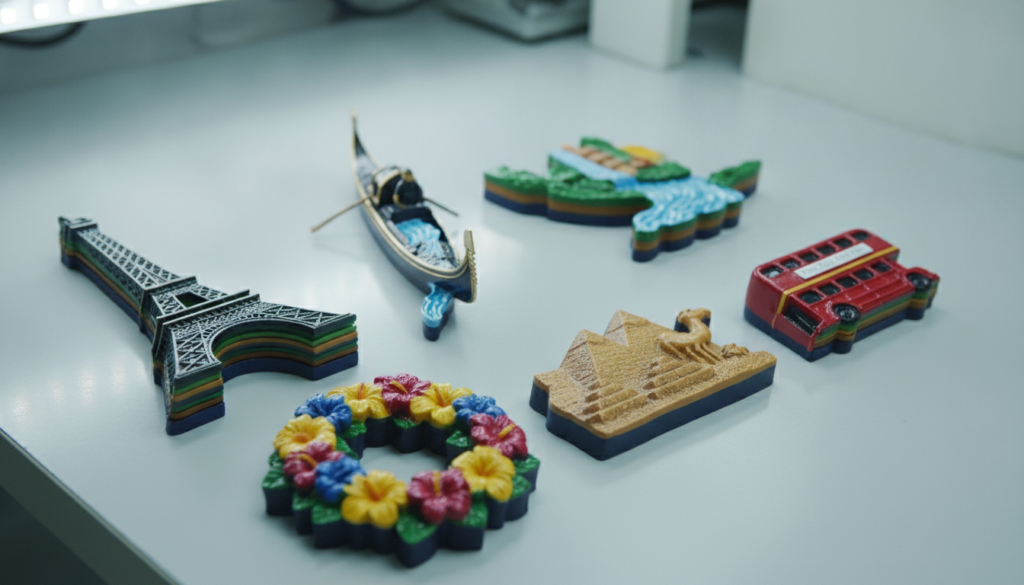
Yes, standard epoxy resin used in fridge magnets yellows over time when exposed to UV light and heat. The degree of yellowing depends on the resin formulation: aliphatic polyurethane resins and UV-stabilized epoxy formulations resist yellowing far better than standard bisphenol-A epoxy. Buyers should specify UV-resistant resin, request a physical sample for accelerated UV testing, and confirm that protective clear coatings are applied before bulk production.
📋 Table of Contents
- Executive Summary
- Why Does Resin Yellow in the First Place?
- Which Resin Formulations Resist Yellowing Best?
- What Protective Coatings Prevent Discoloration?
- How Should Buyers Test for Yellowing Before Bulk Orders?
- Is Resin or Soft PVC Better for Long-Term Color Stability?
- How Do Storage and Display Conditions Affect Yellowing?
- Key Takeaways
Executive Summary
- Resin magnets yellowing is caused by UV exposure and oxidation: Standard bisphenol-A epoxy resin breaks down under sunlight and heat, turning amber within months in bright retail environments.
- UV-resistant resin formulations delay yellowing: Aliphatic polyurethane and UV-stabilized epoxy formulations maintain clarity longer, but buyers must specify these at quotation because they cost more than standard resin.
- Protective clear coatings add a second layer of defense: UV-blocking topcoats and lacquers absorb damaging wavelengths before they reach the resin layer, extending color life in window displays and outdoor kiosks.
- Physical sample testing is the only reliable verification: Accelerated UV chamber tests on a physical sample reveal how a specific resin batch and coating combination will age, before bulk production starts.
- Soft PVC does not yellow from UV: Injection-molded soft PVC magnets resist UV discoloration better than resin, making them the better choice for high-sunlight retail locations and outdoor souvenir stands.
Why Does Resin Yellow in the First Place?
Resin yellowing in fridge magnets is a photodegradation process. UV light breaks the aromatic rings in bisphenol-A epoxy resin, creating conjugated double bonds that absorb blue wavelengths and reflect yellow. Heat accelerates oxidation, which further darkens the resin. The yellowing is permanent and cannot be reversed once it occurs.
UV Exposure in Retail Environments
Souvenir shops near windows, outdoor kiosks and museum stores with skylights expose magnets to direct sunlight for hours each day. UV intensity varies by latitude and season, but even diffuse daylight contains enough UV-A to start yellowing standard epoxy resin within three to six months. Magnets displayed on metal racks near glass doors yellow faster than those stored in drawers or on interior shelves.
Heat and Oxidation
Heat from halogen spotlights, summer warehouse storage and shipping containers sitting on docks raises resin temperature above ambient. Elevated temperature speeds the oxidation reaction that turns resin amber. Magnets shipped in sealed cartons during summer months sometimes arrive with a faint yellow tint if the resin formulation lacks thermal stabilizers.
Resin Formulation Differences
Not all resins yellow at the same rate. Standard bisphenol-A epoxy, the most common formulation for 3D resin magnets, yellows quickly. Aliphatic polyurethane resins and epoxy blends with UV absorbers yellow more slowly. Buyers need to ask the supplier which resin base is used and whether UV stabilizers are included, because production partners rarely volunteer this detail unless the buyer specifies it at quotation.
Which Resin Formulations Resist Yellowing Best?
Aliphatic polyurethane resin resists UV yellowing better than any epoxy formulation. UV-stabilized epoxy with added benzotriazole or benzophenone absorbers ranks second. Standard bisphenol-A epoxy without additives yellows fastest and should be avoided for magnets that will sit in bright retail environments.
Aliphatic Polyurethane Resin
Aliphatic polyurethane resin contains no aromatic rings, so UV light cannot create the conjugated bonds that cause yellowing. This formulation maintains clarity for years in direct sunlight. The trade-off is higher material cost and slightly longer curing time. Buyers should specify aliphatic polyurethane resin for premium souvenir lines sold in coastal shops, national park visitor centers and outdoor heritage sites where sunlight exposure is constant.
UV-Stabilized Epoxy Resin
UV-stabilized epoxy blends standard bisphenol-A resin with benzotriazole or benzophenone UV absorbers. These additives capture UV photons before they reach the resin backbone, slowing yellowing without eliminating it. The resin will still turn faintly amber after prolonged exposure, but the process takes months longer than with unstabilized epoxy. This formulation balances cost and performance for museum stores and gift shops with moderate natural light.
Standard Bisphenol-A Epoxy
Standard epoxy resin without UV stabilizers is the default for most 3D resin magnet production because it costs less and cures faster. It yellows noticeably within three to six months in bright retail settings. Buyers who choose standard epoxy should plan to rotate stock frequently and avoid window displays. This formulation works for magnets sold in low-light airport shops and indoor market stalls where UV exposure is minimal.
In practice: UV-stabilized epoxy resin contains benzotriazole or benzophenone additives that absorb UV photons before they break down the resin backbone, so specifying this formulation at quotation slows yellowing without adding the cost of aliphatic polyurethane resin.
What Protective Coatings Prevent Discoloration?
UV-blocking clear coatings add a second layer of protection. These topcoats absorb or reflect UV wavelengths before they penetrate the resin layer. The coating itself may yellow or crack over time, but it shields the underlying resin and can be reapplied if the magnet design allows.
UV-Blocking Lacquer
UV-blocking lacquer is a spray-applied clear coat that contains UV absorbers similar to those in stabilized resin. It forms a hard shell over the cured resin magnet. The lacquer absorbs UV light and prevents it from reaching the resin beneath. Buyers should specify that the lacquer is applied after the final color layer cures and before packaging. The coating adds a glossy finish that many buyers prefer for tourist souvenirs.
Polyurethane Topcoat
Polyurethane topcoats offer better scratch resistance than lacquer and include UV absorbers. This coating is thicker and more durable, making it suitable for magnets that will be handled frequently in retail displays. The application requires an additional curing step, which extends production time slightly. Buyers ordering magnets for outdoor kiosks or high-traffic souvenir stands should request polyurethane topcoat for maximum UV and abrasion protection.
No Coating
Some buyers skip the protective coating to reduce cost or preserve a matte finish. Uncoated resin magnets yellow faster and are more vulnerable to surface scratches. This approach only makes sense for magnets sold in low-light environments or for short-term promotional campaigns where long-term color stability is not a priority.
How Should Buyers Test for Yellowing Before Bulk Orders?
Physical sample testing is the only reliable way to verify that a resin formulation and coating combination will resist yellowing. Request a sample, expose it to accelerated UV light or natural sunlight, and compare the color before and after. This test reveals how the exact resin batch and coating the supplier will use in bulk production will age.
Accelerated UV Chamber Testing
Accelerated UV chamber testing exposes the sample to high-intensity UV light for a set number of hours, simulating months of retail display in compressed time. Many third-party testing labs offer this service. Buyers send the physical sample to the lab, which runs the test and reports the degree of color shift. The test costs money and adds time to the sampling phase, but it eliminates guesswork. Buyers ordering large quantities for multi-location retail chains should run this test before approving bulk production.
Natural Sunlight Exposure
Natural sunlight exposure is a simpler, no-cost alternative. Place the sample on a windowsill in direct sunlight for two to four weeks and compare it to a control sample kept in a dark drawer. The sunlight-exposed sample will show yellowing if the resin formulation is vulnerable. This method takes longer than accelerated testing but requires no lab equipment. Buyers with time before their bulk order deadline can use this approach to screen suppliers during the quotation phase.
Color-Tolerance Approval
Color-tolerance approval means the buyer and supplier agree in writing on the maximum acceptable color shift between the approved sample and the bulk production run. This agreement protects the buyer if the bulk magnets arrive yellower than the sample. The tolerance is usually expressed as a Delta E value, a numerical measure of color difference. Buyers should specify the tolerance at the time of sample sign-off and include it in the purchase order terms.
Is Resin or Soft PVC Better for Long-Term Color Stability?
Soft PVC does not yellow from UV exposure. Injection-molded soft PVC magnets maintain their color in direct sunlight indefinitely, making them the better choice for outdoor souvenir stands, beach shops and high-sunlight retail locations. Resin offers finer detail and multi-layer relief, but it requires UV-resistant formulations and protective coatings to match PVC’s color stability.
UV Resistance
Soft PVC is inherently UV-stable. The polymer does not contain aromatic rings that break down under UV light. PVC magnets exposed to years of sunlight may fade slightly if the pigment is not UV-stable, but the PVC substrate itself does not yellow. Resin, even with UV stabilizers and topcoats, will eventually show some yellowing in high-UV environments. Buyers prioritizing long-term color stability should choose soft PVC for magnets that will be displayed outdoors or near windows.
Detail and Relief Capability
3D resin magnets achieve finer detail and deeper relief than soft PVC. Resin is poured in layers, allowing separate color areas and raised textures that soft PVC injection molding cannot replicate. Buyers selling premium souvenir lines with intricate artwork, small text or multi-layer designs should choose resin and mitigate yellowing through formulation and coating choices. Buyers selling simple logo magnets or bold graphic designs can use soft PVC and avoid resin magnets yellowing concerns entirely.
Cost and Production Differences
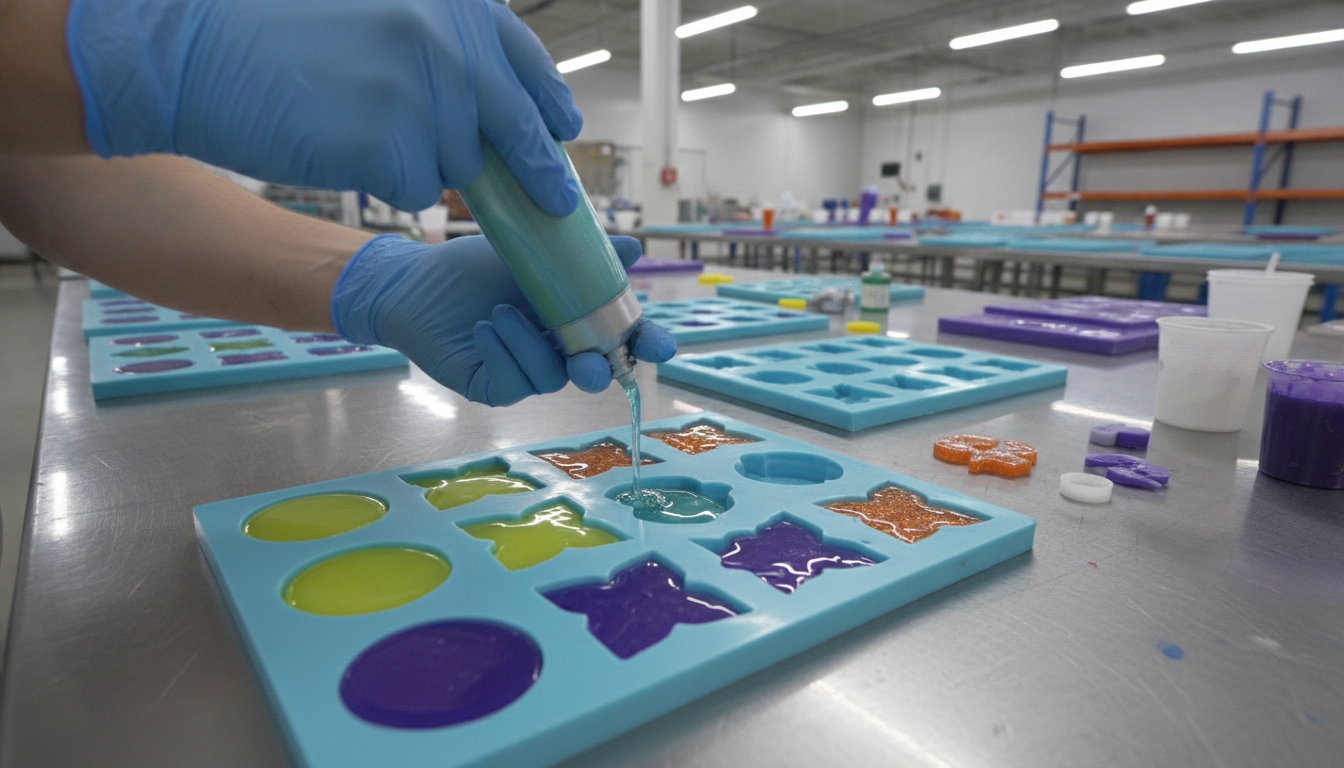
Soft PVC requires a steel injection mold, which costs more up front but allows faster production once the mold is made. Resin uses silicone molds that cost less but require hand-pouring and longer curing time. Buyers ordering large quantities for repeat seasonal sales may find soft PVC more cost-effective over multiple production runs. Buyers ordering small batches with complex designs may prefer resin despite the yellowing risk. We produce magnets in 3D resin, soft PVC, metal and wood to your specification, and every order goes through a design proof and a physical sample sign-off before bulk production.
How Do Storage and Display Conditions Affect Yellowing?
Indoor storage in closed cartons slows yellowing. Direct sunlight, heat and prolonged exposure to fluorescent or LED lighting accelerate it. Buyers can extend magnet shelf life by controlling retail display conditions and rotating stock regularly.
Window Displays and Outdoor Kiosks
Window displays expose magnets to direct sunlight for hours each day. Outdoor kiosks and open-air market stalls add rain, humidity and temperature swings. Resin magnets in these environments yellow fastest. Buyers should reserve UV-resistant resin formulations and protective coatings for these high-exposure locations, or switch to soft PVC magnets for outdoor retail.
Indoor Shelving and Drawers
Indoor shelving away from windows and interior display drawers minimize UV exposure. Magnets stored in these conditions yellow more slowly, even if the resin formulation is standard epoxy. Buyers can use less expensive resin formulations for magnets sold in low-light airport shops, hotel gift counters and indoor museum stores.
Warehouse and Shipping Container Storage
Warehouse storage in sealed cartons protects magnets from UV light but not from heat. Shipping containers sitting on docks in summer can reach high internal temperatures, accelerating oxidation. Buyers should specify that magnets are stored in climate-controlled warehouses before shipment and avoid scheduling shipments during peak summer heat if the resin formulation lacks thermal stabilizers.
- Rotate stock regularly: Move older inventory to front-of-store displays and keep newly arrived magnets in back storage to ensure all stock sells before yellowing becomes visible.
- Use UV-filtering window film: Apply UV-blocking film to retail windows and skylight glass to reduce UV intensity without blocking visible light.
- Limit halogen spotlight use: Replace halogen spotlights with LED lighting, which generates less heat and reduces thermal stress on resin magnets.
- Store backup inventory in closed cartons: Keep reserve stock in sealed cartons in a dark, cool storeroom until it is needed on the sales floor.
Key Takeaways
- Standard bisphenol-A epoxy resin yellows from UV exposure and heat, turning amber within months in bright retail environments.
- Aliphatic polyurethane resin resists yellowing better than any epoxy formulation because it contains no aromatic rings that break down under UV light.
- UV-blocking lacquer and polyurethane topcoats absorb damaging wavelengths before they reach the resin layer, extending color life in window displays and outdoor kiosks.
- Physical sample testing through accelerated UV chamber exposure or natural sunlight reveals how a specific resin batch and coating combination will age before bulk production starts.
- Soft PVC magnets do not yellow from UV exposure, making them the better choice for outdoor souvenir stands, beach shops and high-sunlight retail locations.
- Indoor storage in closed cartons and away from windows slows resin magnets yellowing, while direct sunlight and heat accelerate discoloration.
Can yellowed resin magnets be restored to their original color?
No, resin yellowing is permanent. The UV light breaks chemical bonds in the resin backbone, creating conjugated double bonds that absorb blue wavelengths and reflect yellow. Once these bonds form, they cannot be reversed. Sanding and recoating can remove surface yellowing if the discoloration is shallow, but this is not practical for finished magnets. Prevention through UV-resistant resin formulations and protective coatings is the only reliable strategy.
How long does UV-stabilized epoxy resin take to yellow in a typical gift shop?
UV-stabilized epoxy resin typically shows faint yellowing after six to twelve months in a gift shop with moderate natural light. The exact timeline depends on UV intensity, heat and the concentration of UV absorbers in the resin blend. Magnets near windows or under halogen spotlights yellow faster. Accelerated UV chamber testing on a physical sample provides a more precise estimate for a specific resin formulation and retail environment before bulk production begins.
Do metal and wood fridge magnets yellow like resin magnets?
Metal and wood magnets do not yellow from UV exposure. Die-cast zinc alloy and stamped brass magnets use enamel paint and plating, which may fade or oxidize but do not turn yellow. Laser-cut wood magnets with UV printing maintain their color in sunlight as long as UV-stable inks are used. Buyers concerned about resin magnets yellowing can switch to metal or wood substrates for outdoor retail locations and high-sunlight environments.
Prevent yellowing before it starts.
Request a UV-resistant resin sample →
Written by the Magnista export team, who coordinate design proofs, sampling and production for custom souvenir magnets.