How Custom Shaped Fridge Magnets Are Made in Each Material

Custom shaped fridge magnets are made using four distinct processes: 3D resin magnets are cast in silicone molds and built up in layers; soft PVC magnets are injection-molded in steel molds; metal magnets are die-cast in zinc alloy or stamped from brass sheet then painted and plated; wooden magnets are laser-cut and engraved then UV-printed. Each process creates a different outline precision, surface texture, weight and cost structure, so the choice depends on your design’s detail level, color complexity and retail positioning.
📋 Table of Contents
Executive Summary
- Four production methods: 3D resin uses silicone mold casting and layer-by-layer color pours; soft PVC uses steel-cavity injection molding; metal uses die-casting or stamping with enamel paint; wood uses laser cutting and UV printing.
- Outline precision varies: laser-cut wood and die-cast metal deliver the sharpest edges; resin and soft PVC edges are rounded by the mold release.
- Color complexity: resin handles gradients and fine color transitions; soft PVC is best for clean, separated color blocks; metal enamel requires hand-painting for detail; wood relies on UV print resolution.
- Weight and magnet strength: metal magnets are the heaviest and require stronger backing magnets; resin and soft PVC are lighter; wood is lightest but thickness affects pull strength.
- Sampling before bulk: design proof, physical sample sign-off and pre-shipment checks confirm that the chosen process reproduces your artwork accurately at the specified size.
How Are 3D Resin Magnets Cast and Shaped?
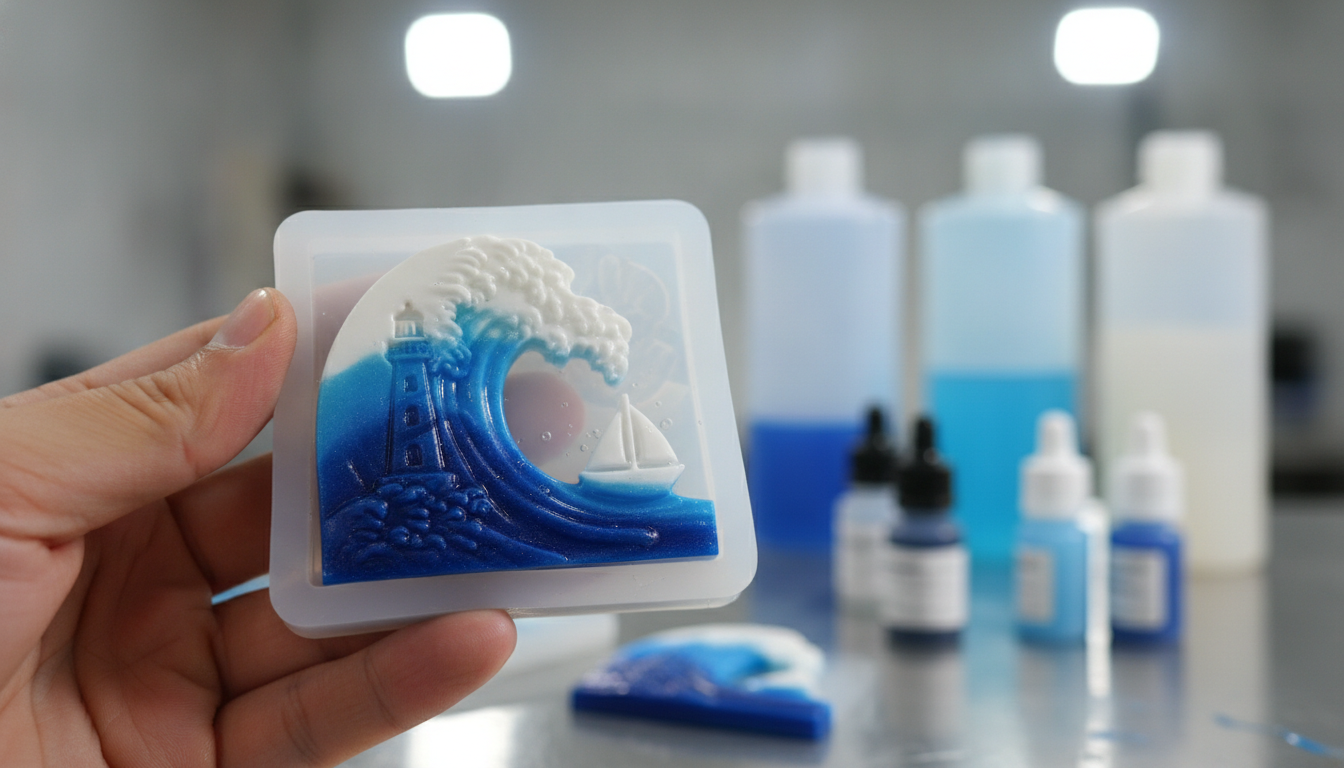
3D resin magnets start with a master model carved or 3D-printed to your design. A silicone mold is poured around the master, then cured and split open. Liquid polyresin is mixed with pigment and poured into the cavity in layers, with each color allowed to gel before the next is added. This layer-by-layer pour creates the raised relief and color separation that defines 3D resin magnets. Once fully cured, the piece is demolded, trimmed of flash, and a neodymium disc or flexible magnetic sheet is glued to the back.
Silicone Mold Flexibility and Outline Detail
Silicone molds flex during demolding, so sharp internal corners and very thin projections soften slightly. Fine text below a certain height may blur or break during the pour if the resin viscosity is too high. A physical sample is the only way to confirm that thin text and small color areas survive the pour before bulk production starts. The mold itself can be reused for multiple production runs, but it wears over time and eventually loses edge sharpness.
Multi-Layer Color Separation
Each color in a 3D resin magnet is a separate pour. Gradients and blended colors are achieved by partially mixing pigments in the same pour or by applying a hand-painted wash after demolding. This makes resin well-suited to designs with complex shading, but it also means that color registration between layers depends on the skill of the production operator. Buyers who need precise Pantone matching should request a color-matched sample and approve it before bulk production begins.
Surface Finish and Hand-Painting
Resin magnets can be left with a matte finish or coated with a clear epoxy dome for a glossy, magnified look. Hand-painted details such as eyes, highlights or fine lines are added after demolding and before the final clear coat. This hand-painting step introduces variability, so buyers selling in museum stores or high-end gift shops should specify acceptable tolerances for paint placement and request pre-shipment inspection photos of a random sample from the bulk batch.
In practice: Resin magnets are cast in layers, so a physical sample is the only way to confirm that thin text and small color areas survive the pour before bulk production starts.
How Are Soft PVC Magnets Injection-Molded?
Soft PVC magnets are injection-molded in a steel mold with one cavity per color. The mold is CNC-machined from hardened steel, with each color area recessed to a specific depth. Liquid PVC is heated, mixed with pigment, and injected into the cavity under pressure. The material flows into every corner, then cools and solidifies. The finished piece is ejected, trimmed of any sprue or gate marks, and a magnetic backing is attached with adhesive.
Steel Mold Precision and Edge Sharpness
Steel molds deliver sharper edges than silicone, but the injection process still requires a draft angle to release the part cleanly. Very tight internal corners or undercuts can trap air or cause the material to tear during ejection. Buyers should provide vector artwork with filleted corners rather than sharp right angles, and should ask the mold designer to confirm minimum corner radii and draft angles before the mold is cut.
Color Block Separation
Soft PVC is best for designs with clean, separated color blocks. Each color is injected in sequence, and a thin ridge or groove separates adjacent colors to prevent bleeding. Gradients and photographic detail are not achievable in soft PVC because each color is a solid pigment mix. If your design includes fine color transitions or shading, 3D resin or UV-printed wood will reproduce it more accurately.
Texture and Tactile Feel
Soft PVC has a rubber-like feel and slight give when pressed. This tactile quality makes it popular for souvenir magnets aimed at children or casual gift buyers, but it also means the surface can attract dust and lint over time. The mold can be textured to add grain, stippling or embossed patterns, which helps hide fingerprints and adds visual interest. Buyers should request a textured sample if the magnet will be handled frequently in a retail environment.
How Are Metal Magnets Die-Cast or Stamped?
Metal magnets are produced by two methods. Die-casting injects molten zinc alloy into a steel mold under high pressure, creating a three-dimensional shape with raised relief. Stamping presses a flat brass or tinplate sheet through a cutting die, then embosses or engraves the surface. Both methods produce a metal blank that is polished, plated, painted with enamel, and fitted with a magnetic backing.
Die-Casting for 3D Relief
Die-cast zinc alloy magnets can achieve fine detail and sharp edges because the molten metal flows into every corner of the mold cavity. After casting, the piece is tumble-polished to remove burrs, then plated with nickel, gold, antique brass or another finish. Enamel paint is applied by hand into recessed areas and baked to harden. This hand-painting step means that color placement can vary slightly from piece to piece, so buyers should specify acceptable paint-bleed tolerances and request pre-shipment photos.
Stamping and Engraving for Flat Designs
Stamped metal magnets start with a flat sheet. A cutting die punches the outline, and a separate embossing or engraving die adds surface detail. The piece is then plated and painted. Stamping is faster and cheaper than die-casting for simple, flat designs, but it cannot create the same depth of relief. Buyers who need a three-dimensional look should choose die-casting; those who need a flat, coin-like magnet with engraved text or line art should choose stamping.
Plating and Enamel Durability
Metal magnets are heavier than resin, soft PVC or wood, so they require a stronger neodymium backing magnet to achieve the same pull strength. The plating protects the base metal from oxidation, but it can chip if the magnet is dropped or handled roughly. Enamel paint is baked on and is more durable than printed ink, but it can crack if the magnet is bent. Buyers selling metal magnets in high-traffic tourist shops should request a drop test and ask for the plating specification to ensure it meets their durability expectations.
How Are Wooden Magnets Laser-Cut and Engraved?
Wooden magnets are laser-cut from plywood, MDF or solid hardwood sheet. The laser beam follows a vector path to cut the outline, then engraves or etches surface details. After cutting, the piece is sanded to remove char marks, UV-printed with full-color artwork, and sealed with a clear varnish. A flexible magnetic sheet or small neodymium disc is glued to the back.
Laser Precision and Edge Quality
Laser cutting delivers the sharpest outline of any process. The kerf width is less than half a millimeter, so intricate shapes, fine text and tight internal cutouts are all achievable. The cut edge is slightly charred and may show a dark burn line, which some buyers consider a desirable rustic detail and others consider a defect. Buyers who want a clean, light edge should specify sanding or edge-painting in the production spec.
UV Printing and Color Vibrancy
UV printing applies ink directly to the wood surface and cures it instantly with ultraviolet light. This process can reproduce photographic detail, gradients and fine color transitions that are impossible in soft PVC or hand-painted enamel. The print resolution depends on the UV printer’s dot-per-inch capability, so buyers should request a printed sample to confirm that small text and fine lines are legible at the specified magnet size.
Wood Grain and Thickness
Natural wood grain shows through the UV print unless a white base layer is printed first. Some buyers prefer the grain-visible look for rustic or eco-themed designs; others need a solid white base for color accuracy. Wooden magnets are typically cut from sheet stock in thicknesses ranging from a few millimeters to over a centimeter. Thicker magnets feel more substantial but require a stronger backing magnet to achieve the same pull strength. Buyers should specify both the wood type and the thickness, and should request a weight-per-piece figure to confirm that the magnet will hold securely on a vertical surface.
Which Process Gives the Sharpest Custom Outline?
Laser-cut wood and die-cast metal deliver the sharpest edges. Laser cutting follows a digital vector path with sub-millimeter precision, and die-casting fills every corner of a machined steel mold. Stamped metal is nearly as sharp, though the cutting die wears over time and edges can become slightly ragged after high-volume production. Resin and soft PVC edges are rounded because the mold material flexes during demolding, and the draft angle required for clean release softens tight corners.
Artwork File Requirements by Process
Each process requires a different artwork format. Resin and soft PVC molds are typically designed from vector files with color callouts, because the colors are mixed and poured or injected separately. Metal enamel also uses vector artwork with Pantone references for each paint color. Laser-cut wood requires a vector cutting path for the outline and a high-resolution raster file for the UV print. Buyers should ask the supplier for the required file formats, color space, resolution and bleed specifications before submitting final artwork.
Tolerances and Minimum Feature Sizes
- Resin: minimum text height depends on mold viscosity; fine serifs may blur.
- Soft PVC: minimum wall thickness between color blocks is typically a fraction of a millimeter; very thin bridges can tear during demolding.
- Die-cast metal: minimum feature size is limited by the mold cavity; very fine raised lines may not fill completely.
- Stamped metal: minimum line width for engraving is limited by the engraving tool diameter.
- Laser-cut wood: minimum cut width is the laser kerf, typically under half a millimeter; very small internal cutouts may fall out or remain attached by a thin bridge.
Magnet Backing Strength and Attachment
The backing magnet must be strong enough to support the weight of the finished piece on a vertical steel surface. Heavier metal magnets require neodymium discs with higher pull ratings. Lighter resin, soft PVC and wood magnets can use flexible magnetic sheet, which is cheaper and easier to cut to shape but has lower pull strength. Buyers should specify the required pull strength and ask the supplier to confirm the backing magnet grade and attachment method. Adhesive failure is a common complaint, so buyers should request a peel-strength test result or a sample that has been aged in heat and humidity to confirm the bond durability.
Key Takeaways
- 3D resin magnets are cast in silicone molds with layer-by-layer color pours, creating soft edges and enabling gradients and hand-painted detail.
- Soft PVC magnets are injection-molded in steel molds and deliver clean color blocks with a rubber-like feel, but cannot reproduce gradients or photographic detail.
- Die-cast metal magnets use molten zinc alloy to create sharp-edged 3D relief, then are plated and hand-painted with enamel for a premium finish.
- Laser-cut wooden magnets offer the sharpest outline precision and full-color UV printing for photographic detail, with the lightest weight of any process.
- Artwork file requirements, minimum feature sizes and magnet backing strength vary by process, so buyers should request a physical sample and confirm tolerances before bulk production begins.
- Design proof, physical sample sign-off and pre-shipment checks are essential to confirm that the chosen process reproduces your artwork accurately at the specified size.
Can any custom shape be made in all four materials?
Most custom shapes can be produced in 3D resin, soft PVC, metal and wood, but each process has different limitations. Resin and soft PVC require draft angles for demolding, so very tight internal corners will be rounded. Die-cast metal can achieve sharper corners but very thin projections may not fill completely. Laser-cut wood delivers the sharpest outline and can handle intricate internal cutouts, but very small bridges may break during handling. Buyers should share vector artwork with the supplier and ask which process will reproduce the design most accurately at the target size.
How do I choose between resin and soft PVC for a souvenir magnet?
Choose 3D resin if your design includes gradients, shading or hand-painted detail, and if you want a harder, more rigid surface. Choose soft PVC if your design uses clean, separated color blocks, and if you prefer a softer, rubber-like feel. Resin can achieve more complex color work but takes longer to produce because each color is a separate pour. Soft PVC is faster for simple designs because all colors are injected in one cycle. Request a sample of each process with your artwork to compare the color accuracy, edge sharpness and tactile feel before committing to bulk production.
What is the most durable material for a fridge magnet that will be handled frequently?
Die-cast metal magnets with baked enamel paint and nickel or gold plating are the most durable against scratching and impact, though the plating can chip if dropped. Laser-cut wood with a clear varnish seal is durable against moisture and UV fading, but the print can wear if rubbed repeatedly. 3D resin and soft PVC are both impact-resistant but can attract dust and show fingerprints over time. Buyers selling magnets in high-traffic retail environments should request a sample that has been drop-tested and exposed to heat, humidity and UV light to confirm durability before bulk production.
Ready to produce custom shaped fridge magnets in the material that best fits your design?
Request a Quote and Sample →
Written by the Magnista export team, who coordinate design proofs, sampling and production for custom souvenir magnets.