Design exclusivity: what your mould actually means
Stated plainly, the fear is this: you pay for tooling, you build the range, and eighteen months later your design is on a competitor’s rack two streets away. It is the most common unasked question in a souvenir sourcing conversation, and it goes unasked because it sounds like an accusation.
It is not an accusation. It is a contract question, and it has a specific answer — as long as three things that get conflated are separated first.
Three different things, routinely treated as one
1. Who owns the artwork
This is about the drawing, not the metal. If your designer produced it, it is yours and the only question is what licence the supplier needs to produce it. If the supplier’s designer contributed — adapted it for the process, redrew it to fit a shared form, restyled it for moulding — then part of the finished artwork was created on their side, and who owns that part is a question with a real answer that should be settled in writing before it is drawn, not after.
This is where most disputes actually originate, not at the mould.
2. Who owns and controls the tooling
Distinct from the artwork and distinct again from the physical object. Buyer-funded tooling is normally reserved for that buyer’s designs, but “reserved” is doing a lot of work in that sentence and it needs unpacking: for how long, stored where, and what happens if you stop ordering.
Tool steel does not sit in a warehouse for free forever. Every supplier has a retention practice, whether or not it has been written down, and the point at which unused tooling gets scrapped or reworked is a real date that you would rather know in advance.
3. Whether you have market exclusivity
This is a separate commercial promise and it is not implied by paying for a mould. Exclusivity is scoped — a territory, a channel, a period — and because it forecloses other business it normally has a price attached, in volume commitment or in money.
A supplier who hands you exclusivity for free without scoping it has either not understood the request or is not planning to honour it.
Why “we never reuse moulds” should worry you
Absolute claims are the easiest thing in the world to say and the hardest to verify. A blanket promise that tooling is never reused, offered casually and without scope, tells you nothing about what happens in the two situations that matter: a design close enough to yours to be arguable, and a buyer who walked away three years ago.
What is verifiable is narrower and more useful:
- A written reservation, scoped to your designs on tooling you funded
- A stated retention period, with what happens at the end of it
- A named position on shared and stock forms — which are, by design, not exclusive to anyone
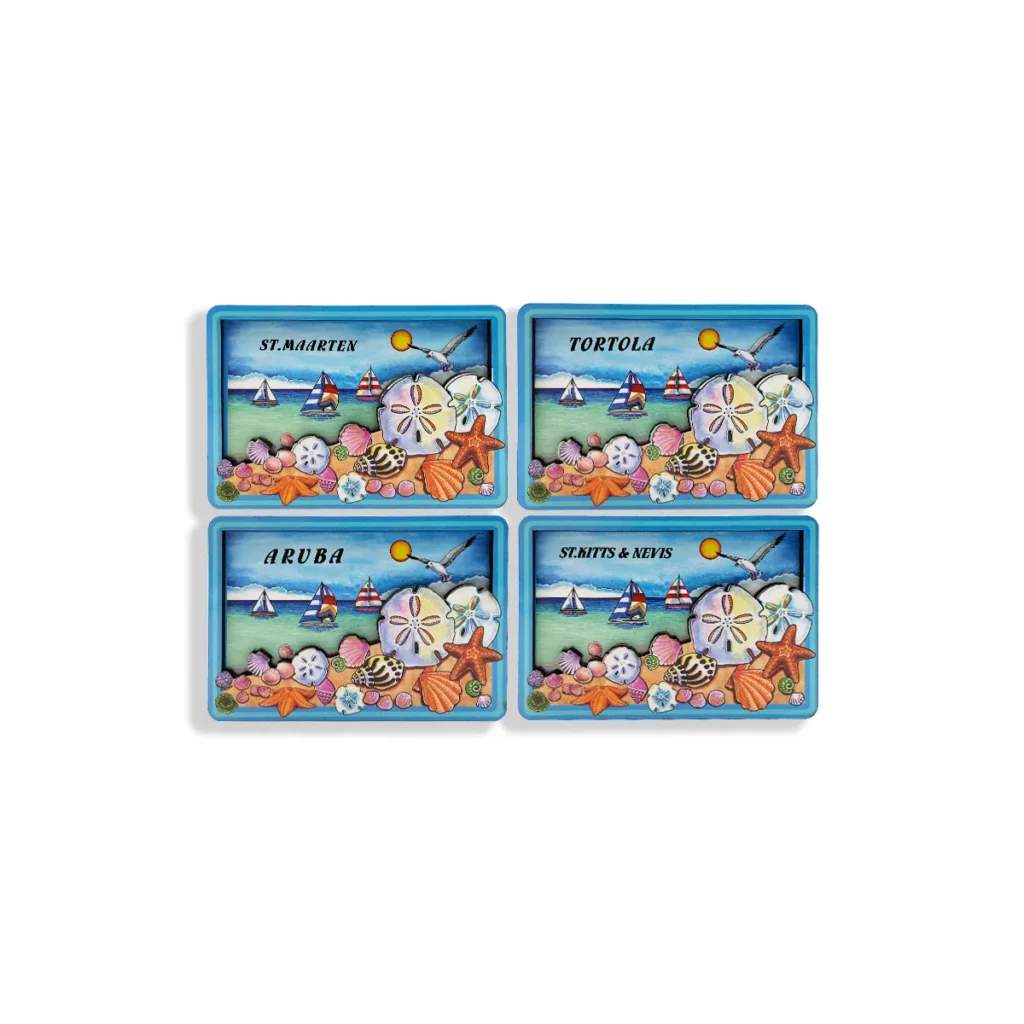
That last point is the one buyers most often miss. A range built on a shared form, localised by name, is efficient precisely because the form is not exclusive. If your plan is a shared-form tail, exclusivity attaches to your artwork and your destination set, not to the shape. That is a perfectly good position — but it has to be understood before the order, not discovered after.
What to get in writing
Five lines, all of which belong in the quotation rather than in a later conversation:
- Artwork: who owns the final adapted files, including work done on the supplier side
- Tooling: what your payment buys — the tool, or the right to production from it
- Reservation: the scope, in plain words, of what that tooling will and will not be used for
- Retention: how long it is held, and what triggers the end of that
- Exclusivity: if you need it, its territory and its term — and what it costs
Ask before tooling is cut. That is when your leverage is highest and when nobody has spent anything yet.
Our position
Buyer-funded tooling is reserved for that buyer’s designs. Shared forms are shared, and we say which is which before you order rather than after. Retention period and artwork ownership are stated in the quotation, not left to be assumed.
We do not offer a blanket promise never to produce anything resembling your piece, because that is not a promise anyone can keep and you should not accept it from anyone else either.
If exclusivity in a territory matters to your programme, say so with the enquiry and it gets quoted as what it is — a commercial term with a scope and a price — rather than nodded at.