Which Material Makes the Best Decorative Fridge Magnets?
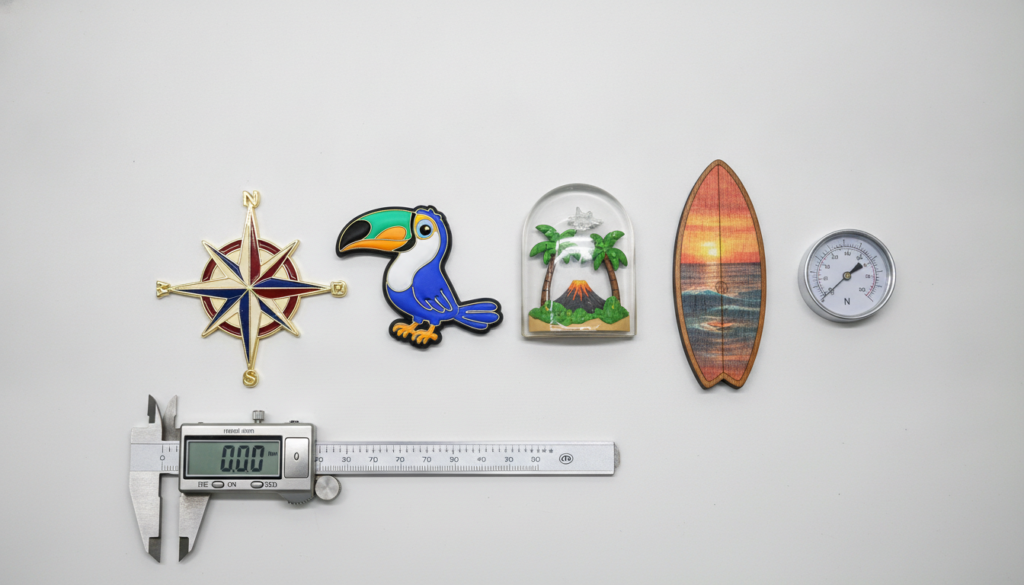
Metal (zinc alloy or brass) makes the best decorative fridge magnets for premium gift shops because it delivers the highest perceived value, takes fine enamel detail, and resists scratches and breakage in transit. Soft PVC works for colorful novelty designs that need flexibility and lower breakage risk, while 3D resin suits intricate relief shapes and wood appeals to eco-conscious buyers. Each material fits a different price band and retail positioning.
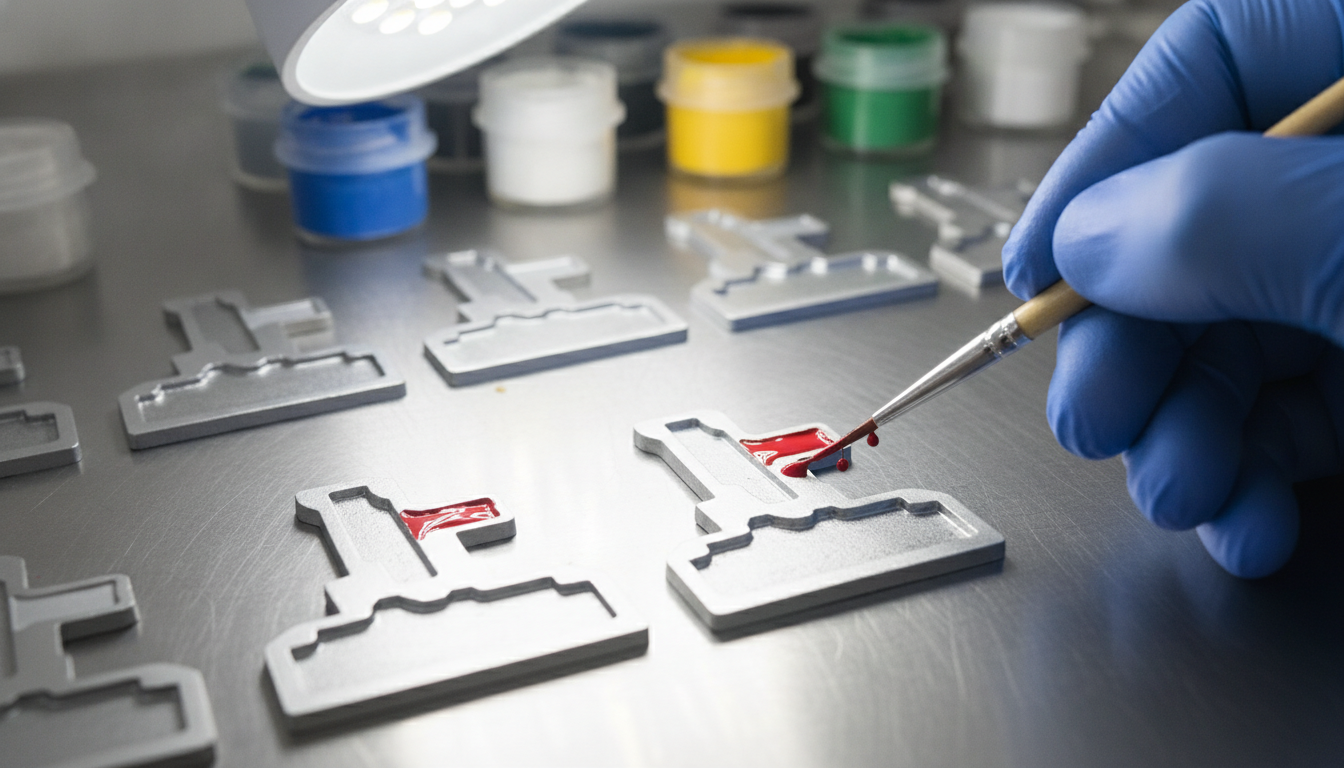
Why does metal lead for premium gift shops?
Metal delivers the weight, finish and scratch resistance that buyers associate with quality souvenirs. Die-cast zinc alloy or stamped brass accepts enamel paint in separate color zones, holds sharp edges on fine details, and survives the friction and handling that occurs in retail displays and tourist bags. Buyers often find that decorative magnets made from lighter materials look attractive online but feel insubstantial in hand, which reduces impulse-purchase conversion at the counter.
Durability and perceived value
Metal magnets resist the chips, cracks and scratches that damage resin and hard acrylic styles in transit. Zinc alloy withstands drops onto tile floors and the abrasion of keys and coins in a handbag. Plating options (gold, silver, antique bronze) add a jewelry-like finish that justifies a higher retail ticket and supports better margins for gift shops and museum stores.
Fine detail and enamel paint
Die-casting creates recessed areas that hold enamel paint without bleed, so small text, thin lines and multi-color crests remain crisp. Stamped brass accepts screen-printed detail or offset-printed decals under a clear epoxy dome. This level of precision matters when reproducing landmark architecture, heraldic symbols or detailed mascots that define a destination brand.
Magnet strength and retail display
Metal magnets accommodate stronger neodymium or ferrite discs because the rigid backing distributes magnetic pull evenly. Buyers report that weak magnets slide down a fridge door or fail to hold notes, which leads to returns and negative reviews. A metal body also sits flat against peg hooks and blister packs, making point-of-sale merchandising cleaner than thick or warped alternatives.
In practice: Die-cast zinc alloy is poured into a steel mold under high pressure, so the metal cools into a dense, uniform body that holds tight tolerances and accepts enamel paint in recessed zones without color bleed, which is why a physical sample is the only way to confirm that fine text and small crests survive the casting before bulk production starts.
When does soft PVC win for novelty and impulse buys?
Soft PVC suits colorful, cartoon-style designs where flexibility and low breakage matter more than premium weight. Injection-molded rubber accepts vibrant Pantone matches in clean color blocks, and the material bends rather than shatters when dropped or compressed in shipping. Tourist shops selling to families and younger buyers often choose soft PVC for mascots, emoji faces and playful destination icons that turn over quickly at lower price points.
Color vibrancy and shape flexibility
Soft PVC delivers saturated, opaque color straight from the mold with no painting step. The material flows into complex outlines (animals, vehicles, cartoon characters) and supports raised or recessed surface textures. Shape flexibility allows designs that would be fragile in rigid resin or metal, such as thin tails, antennae or limbs that protrude from the main body.
Breakage resistance in transit
Flexible rubber absorbs impact and compression, so soft PVC magnets arrive intact even when cartons are stacked heavily or handled roughly. Buyers who import container loads for multi-location retail chains see lower damage rates with soft PVC than with hard resin or thin stamped metal, which reduces the cost of replacements and the administrative burden of filing claims.
Limitations for fine text and premium positioning
Soft PVC cannot hold the sharp edges and fine detail that metal and resin deliver. Text smaller than two millimeters often blurs, and color transitions show a visible seam where the mold halves meet. The material also feels lighter and less substantial, which limits its appeal in museum stores and upscale gift boutiques where buyers expect heft and a jewelry-like finish.
Where does 3D resin excel for relief and dome effects?
Three-dimensional resin casting builds decorative fridge magnets in multiple layers, creating depth, shadow and a glossy dome that amplifies color and protects the printed image underneath. Resin suits designs that benefit from a raised, sculptural look, such as architectural landmarks, relief maps and layered emblems. The process allows vivid color separation and a hand-finished appearance that sits between the flat simplicity of soft PVC and the hard-edged precision of metal.
Multi-layer relief and color separation
Resin is poured in successive layers, each curing before the next is added. This technique creates foreground and background elements with real depth, so a castle tower appears to rise above the base, or a wave seems to curl forward. Color zones remain distinct because each layer sets before the next pigment is introduced, avoiding the bleed that occurs when wet paints meet.
Glossy dome and image protection
A clear resin dome seals a printed or painted base layer, magnifying the image and shielding it from scratches, moisture and UV fading. The dome also adds perceived value, making a simple printed design look more substantial and gift-worthy. This finish is common in souvenir magnets sold at national parks, coastal resorts and historic sites where outdoor and nature imagery dominates.
Chipping and transit risk
Hard resin can chip or crack if dropped onto a hard surface or if cartons are mishandled during international shipping. The edges and high points of relief features are most vulnerable. Buyers who source resin magnets for mail-order gifting or high-volume tourist retail often request individual poly bags and inner cartons to reduce contact damage, which adds to packaging cost and shipping weight.
How does wood serve eco-conscious and artisan positioning?
Wooden fridge magnets appeal to boutique gift shops, eco-friendly retailers and museum stores that emphasize sustainability and natural materials. Laser-cut or CNC-routed wood accepts engraving and UV printing, creating a warm, tactile aesthetic that stands apart from plastic and metal. The material tells a sustainability story, but only when the finish, edge sealing and print quality meet gift-shop standards.
Laser engraving and UV printing
Laser engraving burns detail into the wood surface, producing a permanent, chemical-free image with natural contrast between the burned and unburned grain. UV printing applies full-color graphics directly onto sealed wood, offering photographic detail and vibrant hues that laser alone cannot achieve. Both methods suit low to medium production runs and allow rapid design changes without new tooling.
Finish quality and edge sealing
Rough edges, dull prints and unsealed grain make wooden magnets look unfinished and cheap. High-quality wood magnets receive sanding, edge sealing and a protective topcoat (varnish or UV lacquer) that prevents splinters, moisture absorption and fading. Buyers should request a physical sample to verify that the finish feels smooth, the print is sharp, and the wood grain enhances rather than obscures the design.
Magnet strength and thickness
Wood is lighter than metal but thicker than soft PVC or thin resin, so the magnet disc must be strong enough to hold the added bulk against a vertical surface. Weak magnets cause wooden fridge magnets to slide or fall, which frustrates buyers and generates returns. The thickness also affects peg-display merchandising: magnets thicker than eight millimeters can be awkward to hang and occupy more shelf depth than metal or PVC alternatives.
What customization and production practicality factors matter most?
Material choice directly affects tooling requirements, color options, minimum order quantities and the complexity of design proofs and sampling. Metal requires die or mold cutting, which suits designs that will be reordered over multiple seasons. Soft PVC and resin use silicone or steel molds that accommodate complex shapes but need careful sample sign-off to confirm color and detail accuracy. Wood offers the fastest design iteration because laser files can be edited digitally without physical tooling changes.
Tooling and setup implications
- Metal: Die-cast zinc alloy and stamped brass require steel dies, which are durable and cost-effective for large seasonal orders but represent a higher initial investment. Enamel paint is applied by hand or screen, adding a production step that increases unit time.
- Soft PVC: Injection molds are machined from steel or aluminum and can produce hundreds of thousands of pieces. The mold accommodates multiple colors in a single shot, reducing post-molding work, but changes to the design require mold modification or a new mold entirely.
- Resin: Silicone molds are less expensive and faster to produce than metal tooling, making resin suitable for shorter runs and seasonal designs. However, hand-pouring and curing time limit daily output compared to automated injection or die-casting.
- Wood: Laser cutting uses digital files with no physical tooling, so design changes are immediate and cost-free. This flexibility suits boutique retailers testing new designs or running limited-edition collections.
Color matching and proof approval
Metal enamel and soft PVC injection both accept Pantone references, but the final color depends on paint formulation, mold temperature and curing conditions. A design proof shows the layout and color intent, but a physical sample is the only way to confirm that the finished magnet matches the buyer’s brand guidelines. Resin color is mixed by hand, so batch-to-batch consistency requires careful quality control and sample sign-off before bulk production begins.
Minimum order quantities
Minimums differ by material and process and are confirmed at quotation. Metal and soft PVC tooling costs are amortized over larger runs, making them more economical for designs that will be reordered across multiple seasons or locations. Resin and wood support smaller initial orders, which suits retailers testing a new destination or launching a limited-edition collection.
How do packaging and retail presentation differ by material?
Gift shops and museum stores expect magnets to arrive retail-ready, with backing cards, hang tags, barcodes and protective packaging that fits peg hooks or counter displays. Material choice affects packaging cost, shipping weight and the visual impact of the finished product on shelf.
Backing cards and hang tags
Metal and resin magnets are often mounted on printed backing cards that carry the destination name, barcode and a brief story or fun fact. The card adds perceived value and provides a clean surface for hang-hole punching. Soft PVC magnets may be packed in polybags with header cards or sold loose in counter bins for impulse buys. Wood magnets benefit from kraft or recycled-paper backing that reinforces the eco-friendly positioning.
Blister packs and display boxes
Blister packs protect decorative fridge magnets from handling and theft while allowing customers to see and feel the product through clear plastic. Metal and resin magnets with fine detail and glossy finishes display well in blisters. Soft PVC and wood magnets are less commonly blistered because their tactile appeal (soft rubber, natural grain) is best experienced by touch, so open-bin or pegboard display with backing cards is more common.
Shipping weight and carton density
Metal magnets are heavier per piece, which increases freight cost for air shipment and affects the number of units that fit within a container’s weight limit. Soft PVC and wood are lighter, allowing higher piece counts per carton and lower per-unit shipping cost. Resin weight falls between metal and PVC, and the fragility of relief features may require additional inner padding, which reduces carton density and increases dimensional weight charges.
What compliance and labeling requirements apply in North America?
Decorative fridge magnets sold in the United States and Canada must meet safety standards for small parts, magnet strength and material composition, especially when the design or packaging might appeal to children. Retailers increasingly request test reports and compliance documentation before placing orders, and some require specific label wording or warning text on packaging.
CPSIA and ASTM F963 for toy classification
The Consumer Product Safety Improvement Act (CPSIA) and ASTM F963 regulate products intended for children under twelve in the United States. If a magnet’s design, size, packaging or marketing suggests it is a toy, it must meet small-parts testing, magnet-strength limits and lead-content restrictions. Magnets marketed as decorative souvenirs for adult use are generally exempt, but ambiguous positioning (cartoon characters, bright colors, child-friendly themes) can trigger enforcement. Buyers should ask suppliers for current CPSIA and ASTM F963 test reports if the design or retail channel might be interpreted as child-oriented.
California Proposition 65
Proposition 65 requires warning labels on products sold in California that contain chemicals known to cause cancer or reproductive harm. Some metal plating processes, enamel paints and PVC plasticizers may trigger the warning requirement. Retailers selling into California should request a Prop 65 compliance statement or test report from the supplier and confirm whether warning text must appear on packaging or point-of-sale signage.
Barcode and country-of-origin labeling
Most gift shops and museum stores require a scannable barcode (UPC or EAN) on each magnet’s backing card or blister pack. Country-of-origin labeling (“Made in China”, “Made in Vietnam”) is mandatory for customs clearance and must appear on the product or its packaging in a conspicuous location. Retailers may also request SKU numbers, retail price suggestions and brief product descriptions printed on the backing card to streamline inventory and point-of-sale setup.
Key decision criteria for gift shop buyers
Choosing the best material for decorative fridge magnets comes down to matching the material’s strengths to your retail positioning, target buyer and order economics. Metal delivers the premium weight and durability that justify higher tickets in museum stores and upscale souvenir shops. Soft PVC offers vibrant color, low breakage and impulse-friendly price points for high-turnover tourist retail. Resin creates visual impact with multi-layer relief and dome effects, while wood tells a sustainability story that appeals to eco-conscious boutiques.
Before committing to bulk production, request a physical sample of your exact design in each material you are considering. Evaluate the finish quality, magnet strength, color accuracy and how the piece feels in hand. Confirm that the supplier provides a design proof, sample sign-off and pre-shipment inspection, and ask for current test reports if your retail channel or destination market requires CPSIA, ASTM F963 or Proposition 65 compliance. Packaging, barcodes and country-of-origin labeling should be discussed at quotation so the magnets arrive retail-ready.
Ready to source decorative fridge magnets in the material that fits your retail positioning?
Request a quote and sample →
Key Takeaways
- Metal (zinc alloy, brass) leads for premium gift shops: die-cast or stamped metal delivers the highest perceived value, scratch and break resistance, and accepts fine enamel detail that justifies higher retail tickets in museum stores and upscale souvenir shops.
- Soft PVC suits colorful novelty and impulse buys: injection-molded rubber offers vibrant color blocks, shape flexibility and low breakage in transit, making it ideal for high-turnover tourist retail and family-friendly designs at mid-range price points.
- 3D resin excels for intricate relief and dome effects: multi-layer resin casting creates depth, vivid color separation and a glossy protective dome, but the material can chip in transit and requires careful packaging for mail-order and wholesale distribution.
- Wood serves eco-conscious and artisan positioning: laser-cut and UV-printed wood tells a sustainability story and offers rapid design iteration, but finish quality, edge sealing and magnet strength must meet gift-shop standards to avoid a cheap or unfinished appearance.
- Tooling and minimums differ by process: metal and soft PVC require steel dies or molds that suit large seasonal orders, while resin and wood support smaller runs and faster design changes, confirmed at quotation.
- Compliance and labeling matter for North American retail: CPSIA, ASTM F963 and Proposition 65 apply when design or packaging might appeal to children or contain regulated chemicals, and retailers expect barcodes, country-of-origin labels and test reports before placing orders.
Are resin magnets better than metal magnets for souvenir shops?
Resin magnets create a glossy, multi-layer relief effect that works well for architectural landmarks and nature scenes, but metal magnets deliver higher perceived value, better scratch resistance and finer enamel detail. Metal is the stronger choice for premium museum stores and upscale gift boutiques, while resin suits mid-range souvenir retail where visual impact and dome protection justify the ticket. Resin can chip in transit, so packaging and handling costs may be higher than metal for wholesale orders.
Which fridge magnets are the strongest and hold the most weight?
Metal-backed magnets accommodate the strongest neodymium or ferrite discs because the rigid zinc alloy or brass body distributes magnetic pull evenly across the surface. Soft PVC and wood are lighter and thicker, so they require stronger magnets to hold the same weight, and weak magnets in these materials often slide down a fridge door. Buyers should request a physical sample to test magnet strength on a real refrigerator surface before committing to bulk production.
Are wooden fridge magnets truly eco-friendly for gift shops?
Wooden magnets support an eco-friendly retail story when the wood is sustainably sourced, the finish is non-toxic and the packaging uses recycled or kraft materials. However, the environmental benefit depends on the supplier’s forestry practices, adhesive and coating choices, and shipping method. Buyers should ask for documentation of sustainable sourcing and confirm that the finish, edge sealing and print quality meet gift-shop standards, because a rough or dull product undermines both the sustainability message and the perceived value.
Written by the Magnista export team, who coordinate design proofs, sampling and production for custom souvenir magnets.