How Durable Are Rubber Fridge Magnets? (2026 Guide)
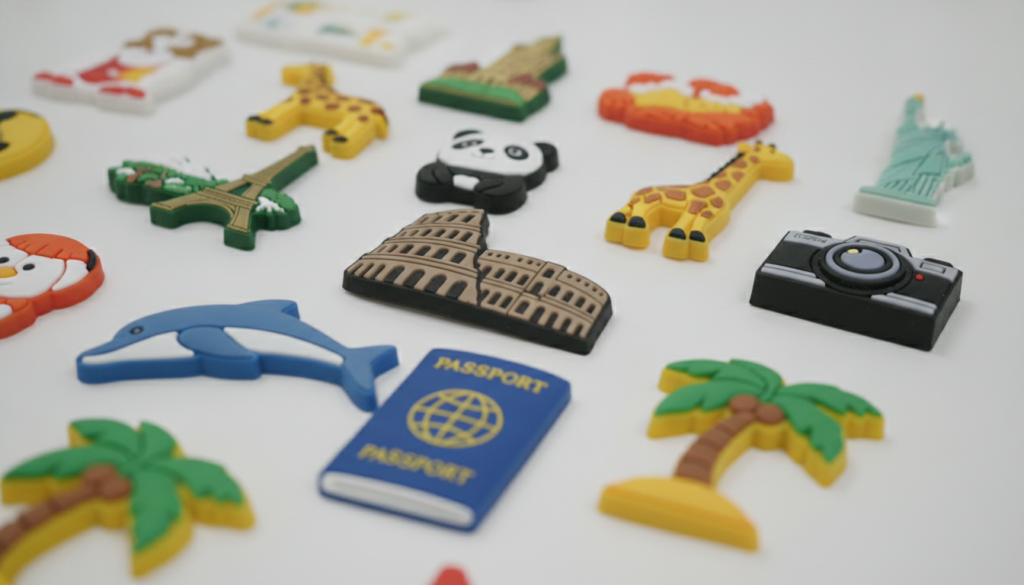
Rubber fridge magnets (soft PVC) are flexible and shatterproof, resisting cracks when dropped, but their real-world durability depends on three factors: the magnetic backing strength, the lamination or sealing quality, and the environment they face. Properly produced soft PVC magnets hold up well in typical indoor retail and home use, but poor backing or exposure to heat, moisture and UV light can cause sliding, print fading or adhesive failure within months.
📋 Table of Contents
Executive Summary
- Material flexibility: Soft PVC bends rather than cracks, making rubber fridge magnets resistant to drop damage that would shatter acrylic or resin designs.
- Backing determines hold: Magnetic sheet grade, thickness and adhesion to the PVC face control whether the magnet stays in place or slides on smooth surfaces.
- Environmental limits: Indoor retail and home use suits rubber magnets well, but prolonged UV exposure, high heat or moisture can degrade print clarity and adhesive bonds.
- Surface safety: The soft rubber face is gentler on appliance finishes than hard materials, reducing scratch risk during repeated repositioning.
- Production quality gates: Design proof, physical sample sign-off and pre-shipment checks confirm that backing lamination and magnet strength meet your specification before bulk shipment.
What Makes Soft PVC Flexible and Shatterproof?
Soft PVC (polyvinyl chloride) is injection-molded into a rubber-like texture that absorbs impact. Unlike rigid acrylic or resin, the material bends when dropped, so the design face stays intact even after repeated falls onto hard floors. This flexibility makes rubber fridge magnets a practical choice for high-traffic retail environments where customers handle products frequently.
Injection Molding and Color Separation
Soft PVC magnets are produced by injecting liquid PVC into a metal mold. Each color area requires a separate injection step, so designs with clean, bold color blocks work best. Fine gradients or photographic detail are harder to achieve because the rubber surface cannot hold the fine halftone dots that resin or metal enamel can. Buyers ordering custom designs should request a physical sample to confirm that text height, line thickness and color boundaries survive the molding process before committing to bulk.
In practice: Soft PVC is injection-molded in separate color pours, so a physical sample is the only way to verify that small text and thin color boundaries remain sharp and that colors do not bleed at the edges before bulk production starts.
Surface Texture and Tactile Appeal
The rubber surface has a slight matte texture that feels warmer and softer to the touch than hard resin or metal. This tactile quality appeals to souvenir buyers looking for a friendly, approachable product, but the same softness can attract dust and fingerprints over time. Regular wiping with a damp cloth keeps the face clean without damaging the material.
Why Does Backing Quality Matter More Than the PVC Face?
The magnet fails when the backing fails, not the PVC. Buyers report that rubber-coated magnets sometimes slide or feel weaker than expected on smooth or stainless-steel surfaces, and lower-quality versions may not hold well enough for repeated repositioning or heavier paper stacks. These complaints trace back to three backing variables: magnetic sheet grade, thickness and adhesion to the PVC.
Magnetic Sheet Grade and Pull Strength
Magnetic backing is graded by energy product, measured in megagauss-oersteds (MGOe). Higher-grade sheets generate stronger pull force, so the magnet grips the fridge more securely. Standard flexible magnetic sheet used in promotional magnets typically ranges from 1.2 to 1.6 MGOe. Thicker sheets or higher-grade material increase hold but also add cost. Buyers should ask the supplier to specify the magnetic sheet grade and thickness at quotation, then test a physical sample on the actual surface types their customers will use, such as stainless steel, painted metal or glass-front appliances.
Adhesion and Lamination Between PVC and Magnet
If the backing or lamination is poor, the magnet can fail even when the front PVC design still looks fine. The magnetic sheet is adhered to the back of the molded PVC face using pressure-sensitive adhesive or heat lamination. Weak adhesion allows the layers to separate, especially in humid environments or after repeated peeling and reapplication. Pre-shipment inspection should include a peel test on sample units to confirm that the backing does not lift from the PVC face under normal handling force.
Edge Sealing and Moisture Ingress
Water can seep between the PVC face and the magnetic backing if the edges are not sealed. Some custom magnets lose appeal when exposed to moisture or rough handling, with users reporting faster wear than they expected. Edge sealing, either through full-perimeter lamination or a thin coating, blocks moisture ingress and extends lifespan in kitchens, bathrooms or outdoor retail displays near water features.
How Do Heat, UV and Moisture Affect Rubber Magnets?
Soft PVC magnets perform well indoors but face limits outdoors or in harsh conditions. Heat, ultraviolet light and moisture each degrade different parts of the product over time.
Heat Exposure and Shape Retention
PVC softens at elevated temperatures. Magnets placed on appliances near heat sources, such as the side of an oven or a sunny window sill, can warp or lose shape. The magnetic backing also weakens when heated, reducing pull force. Buyers selling into hot climates or outdoor tourist attractions should ask the supplier about the PVC formulation’s heat-deflection temperature and test samples in the target environment before placing a bulk order.
UV Light and Print Fading
Direct sunlight degrades the pigments in soft PVC, causing colors to fade or shift over months. This matters most for magnets displayed in shop windows or sold at outdoor attractions. UV-stabilized PVC formulations slow the fading process, and a clear protective coating over the printed face adds another layer of defense. Buyers should specify UV resistance at quotation and request accelerated weathering test data if the magnets will face prolonged sun exposure.
Moisture and Surface Tackiness
High humidity can make the PVC surface feel tacky or sticky, attracting dust and lint. This is more common in coastal or tropical climates. The tackiness does not harm the magnet’s function but reduces visual appeal. Regular cleaning and storage in sealed packaging before retail display mitigate the issue. Buyers should test samples in the actual humidity conditions their customers will encounter.
Do Rubber Magnets Scratch Refrigerators or Appliances?
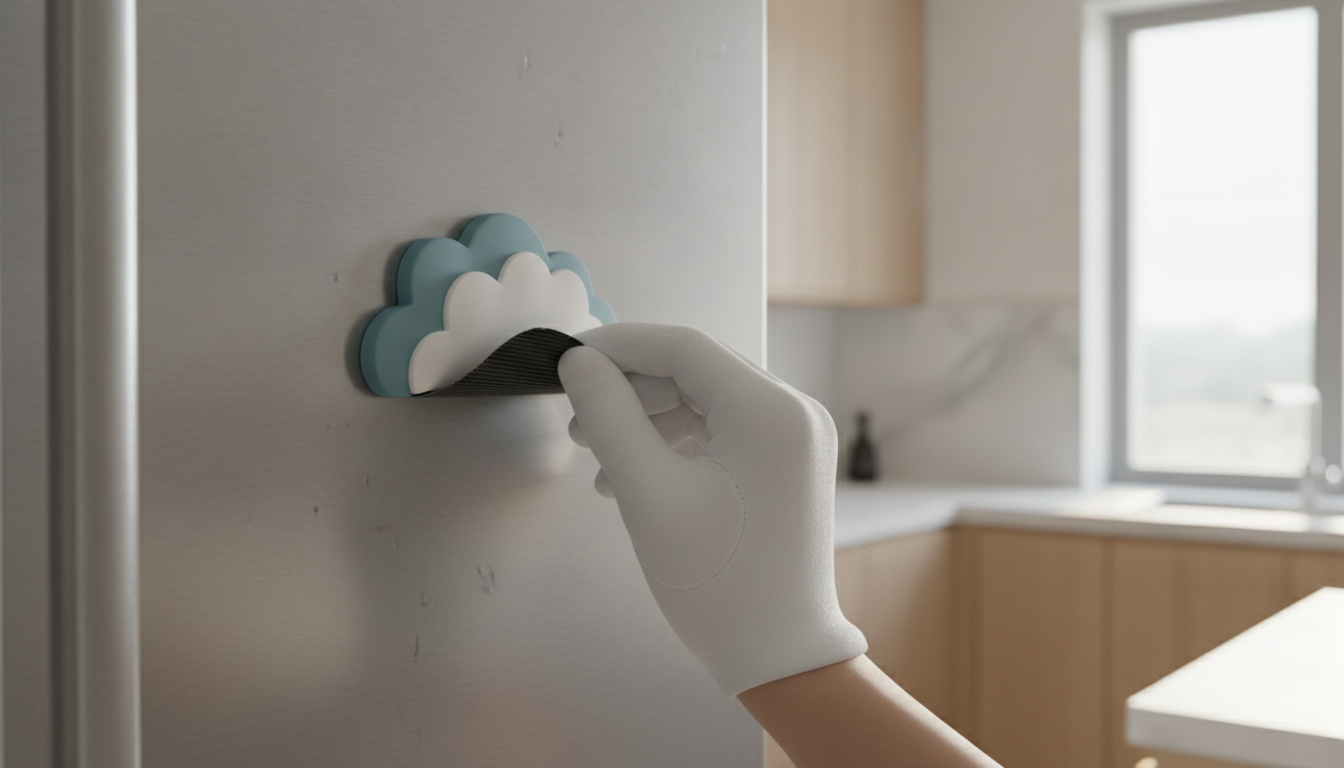
Soft PVC is gentler on appliance finishes than hard materials. The rubber face cushions contact, so repeated repositioning is less likely to leave scratch marks than metal or acrylic edges would. This makes rubber fridge magnets a safer choice for retail buyers whose customers care about protecting stainless-steel or painted surfaces.
Dirt and Grit Trapped Under the Magnet
Scratches occur when dirt or grit gets trapped between the magnet and the appliance surface. The soft PVC can pick up and hold small particles, which then act as abrasives when the magnet is moved. Buyers should advise customers to wipe both the magnet back and the appliance surface before applying the magnet, especially in dusty environments or after shipping.
Sliding on Smooth or Stainless-Steel Surfaces
Rubber-coated magnets can still slide or feel weaker than expected on some smooth or stainless-steel surfaces. Stainless steel is often non-magnetic or weakly magnetic, depending on the alloy grade. Buyers selling into markets with modern appliances should test samples on actual stainless-steel fridges to confirm that the magnetic pull is strong enough. If sliding is a problem, switching to a higher-grade magnetic backing or increasing the backing thickness usually solves it.
Key Takeaways
- Soft PVC bends rather than cracks, so rubber fridge magnets resist drop damage that would shatter rigid materials like acrylic or resin.
- Magnetic backing quality, thickness and adhesion to the PVC face determine whether the magnet holds securely or slides on smooth surfaces.
- Heat, UV exposure and moisture degrade PVC and backing over time, so buyers should test samples in the target environment before bulk orders.
- The soft rubber face is gentler on appliance finishes than hard materials, reducing scratch risk during repeated repositioning.
- Design proof, physical sample sign-off and pre-shipment checks confirm that backing lamination and magnet strength meet specification before shipment.
- Edge sealing blocks moisture ingress and extends lifespan in humid or wet environments.
Frequently Asked Questions
How long do rubber fridge magnets last in typical retail use?
In typical indoor retail and home use, properly produced soft PVC magnets last several years without significant fading or backing failure. Lifespan shortens when magnets face heat, direct sunlight or high humidity. Buyers should request UV-stabilized PVC and edge sealing for products sold in coastal or outdoor tourist markets, and test samples in the target environment to confirm durability before committing to bulk.
Are rubber fridge magnets waterproof?
Soft PVC itself is water-resistant, but water can seep between the PVC face and the magnetic backing if the edges are not sealed. Edge sealing, either through full-perimeter lamination or a thin coating, blocks moisture ingress and prevents the layers from separating in humid or wet environments. Buyers should specify edge sealing at quotation and inspect sample units to confirm that the backing does not lift after exposure to water.
What magnet backing thickness is needed for stainless-steel appliances?
Stainless steel is often non-magnetic or weakly magnetic, depending on the alloy grade, so standard flexible magnetic sheet may not hold securely. Increasing the backing thickness or switching to a higher-grade magnetic sheet (higher MGOe rating) improves pull force. Buyers should test physical samples on actual stainless-steel surfaces before placing a bulk order, and ask the supplier to specify the magnetic sheet grade and thickness at quotation.
Rubber fridge magnets offer flexibility and scratch-safe handling, but durability depends on backing quality, environmental exposure and production standards. Magnista produces custom souvenir magnets in soft PVC, 3D resin, metal and wood to your specification, with design proof, physical sample sign-off and pre-shipment checks before bulk. Request a quote with your design and target market details to confirm magnet grade, backing thickness and edge sealing for your application.
Written by the Magnista export team, who coordinate design proofs, sampling and production for custom souvenir magnets.