3D Fridge Magnets vs Flat Printed: Which Sells Better?
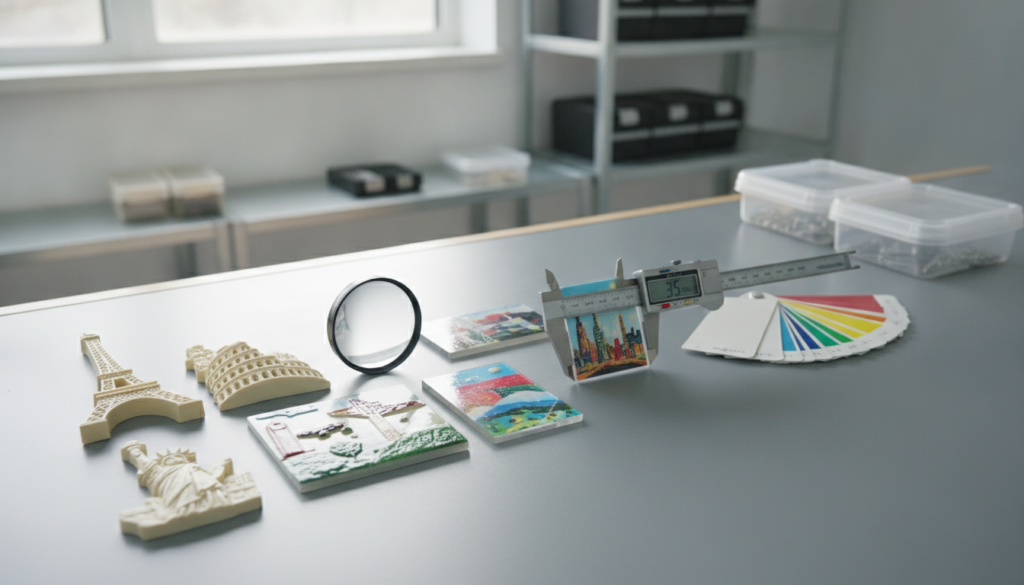
3D fridge magnets outsell flat printed styles in destination souvenir retail because sculptural relief captures architectural detail, texture, and brand-defining landmarks that flat graphics cannot reproduce. Resin and soft PVC relief processes create multi-layer depth that photographs well on social media and justifies higher retail price points, while flat printed magnets serve promotional volume where unit cost matters more than collectible appeal. Magnista produces both formats to specification across four processes: 3D resin for landmark relief, soft PVC for character shapes, metal for premium weight, and wood for natural texture.
📋 Table of Contents
Executive Summary
- Sell-through advantage: 3D fridge magnets command higher retail prices and faster sell-through in museum stores and landmark attractions because sculptural relief delivers collectible appeal that flat graphics cannot match.
- Flat print economics: Flat printed magnets suit promotional volume and event branding where unit cost and short lead times outweigh tactile premium.
- Material determines depth: Resin and soft PVC injection enable multi-layer relief; metal die-casting adds weight and premium feel; wood offers natural texture with laser engraving and UV print.
- Durability gap: Color cast into resin or PVC resists scratching and kitchen grease; printed surfaces on lower-end flat magnets can peel or wear with handling.
- Sample verification: Physical sample sign-off is the only way to confirm that thin text, small color areas, and relief depth survive production before bulk orders start.
Why 3D Relief Wins Destination Souvenir Retail
Retail buyers looking for landmark souvenirs consistently report that flat styles cannot reproduce stone texture, spires, and architectural depth well enough for iconic destination products. A 3D resin magnet of the Statue of Liberty torch or a cathedral facade captures the sculptural reality visitors want to take home, while a flat printed version reads as a postcard stuck to a magnet backing.
Architectural Detail and Brand Recognition
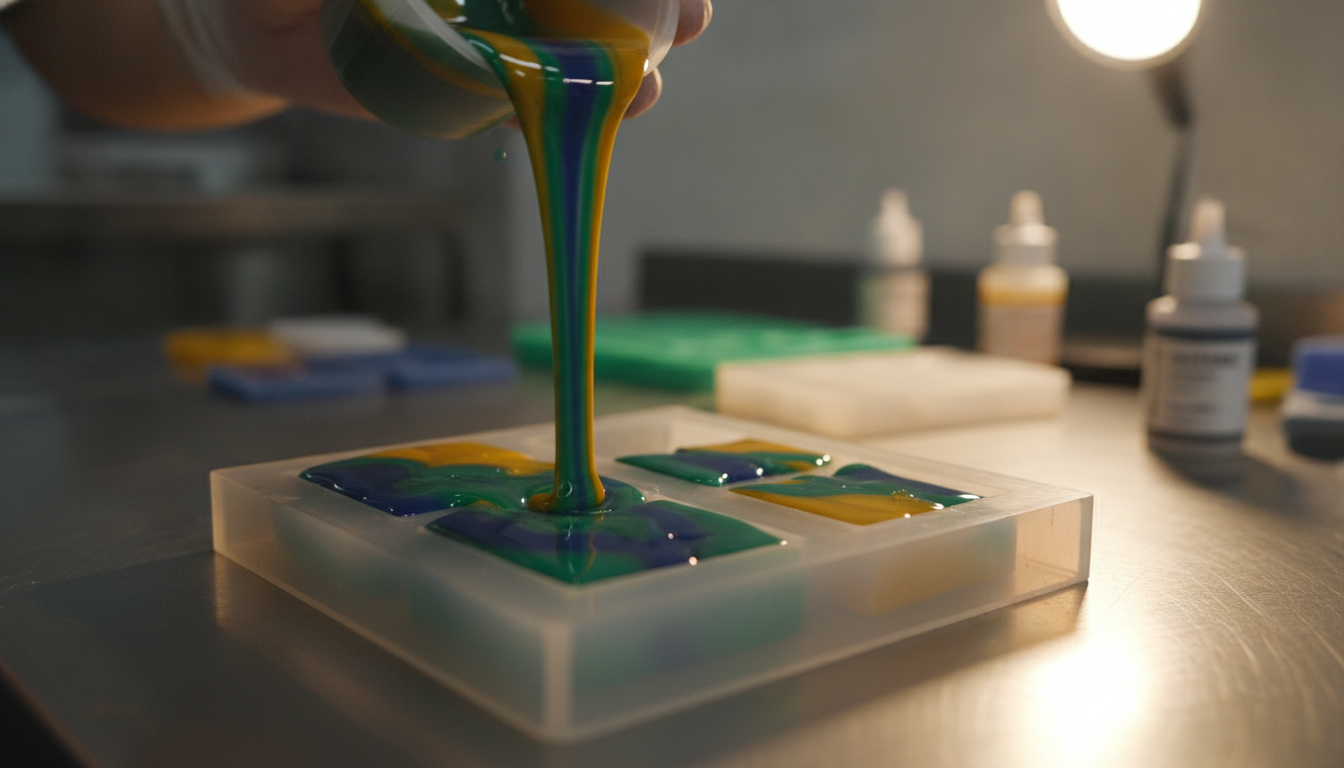
Multi-layer resin casting separates foreground elements from background, creating shadow lines and texture that photograph well on social media. Soft PVC injection molds cartoon characters and mascot shapes with rounded edges and tactile appeal. Both processes deliver depth that flat printing cannot replicate, which matters when the magnet is the primary retail souvenir representing a destination or attraction.
Higher Retail Price Points and Margin
Gift shop managers price 3D fridge magnets higher than flat alternatives because buyers perceive sculptural relief as premium. The weight, depth, and hand-painted detail justify the markup, and faster sell-through compensates for higher unit cost. Flat printed magnets compete on price, which compresses margin and positions them as budget volume rather than collectible keepsakes.
Collectible Series and Repeat Purchase
Tourist attractions build magnet series around 3D relief designs because collectors return to complete sets. A flat printed series lacks the tactile differentiation that drives repeat visits and incremental sales. Museum stores report that visitors who buy one 3D magnet often buy two or three more in the same visit.
In practice: Resin magnets are cast in layers, so a physical sample is the only way to confirm that thin text and small color areas survive the pour before bulk production starts.
When Flat Printed Magnets Make Commercial Sense
Flat printed magnets serve promotional volume and event branding where unit cost and short production windows matter more than collectible appeal. They are lighter, ship cheaper, and suit campaigns that prioritize logo visibility over tactile premium.
Promotional Giveaways and Event Branding
Corporate buyers and event organizers choose flat printed magnets for conference swag, trade show giveaways, and seasonal campaigns. The lower unit cost allows higher distribution volume, and the flat profile fits mailer envelopes and promotional kits. Relief depth is unnecessary when the goal is brand exposure rather than keepsake value.
Low-MOQ and Fast Turnaround
Flat printed magnets typically require simpler tooling than 3D molds, which can shorten setup and reduce initial cost barriers for buyers testing new designs or running short-term campaigns. Minimums differ by process and are confirmed at quotation, but flat styles often accommodate smaller test runs.
Budget Retail and Impulse Purchase
Airport retail and highway rest-stop gift shops stock flat printed magnets alongside 3D options to capture impulse buyers shopping by price. The flat format delivers logo and destination name at the lowest retail price point, filling the budget tier without cannibalizing premium 3D sales.
Material & Process Tradeoffs: Resin, PVC, Metal, Wood
Material choice determines the depth, weight, and durability a magnet delivers, and each process suits different design requirements and retail positioning.
3D Resin: Multi-Layer Relief and Hand-Painted Detail
Resin casting builds sculptural depth through multiple pours, allowing foreground elements to stand proud of the background. Color is mixed into the resin or hand-painted after casting, so graphics are embedded rather than surface-printed. This process suits landmark architecture, historical monuments, and destination icons where depth and detail justify higher retail pricing. Resin magnets are heavier than flat alternatives, which supports stronger magnet backing and reduces the risk of sliding on stainless steel appliances.
Soft PVC: Injection-Molded Shapes and Clean Color Blocks
Soft PVC injection molds cartoon characters, mascots, and branded shapes with rounded edges and tactile flex. The process delivers clean color separation and smooth surfaces that resist scratching. PVC works well for character-driven souvenirs and licensed intellectual property where shape recognition matters more than fine architectural detail. The material is lighter than resin but still supports moderate relief depth.
Metal: Die-Cast Zinc Alloy and Enamel Paint
Die-cast zinc alloy or stamped brass delivers premium weight and a cold, solid feel that signals quality in gift shop retail. Enamel paint fills recessed areas, and plating options include gold, silver, antique brass, and black nickel. Metal magnets suit corporate gifts, museum stores, and upscale souvenir retail where weight and finish justify higher price points. The process accommodates fine line detail and small text better than resin or PVC.
Wood: Laser Engraving and UV Print
Laser-cut wood magnets offer natural texture and sustainability appeal. UV printing adds full-color graphics, while laser engraving creates tonal depth without paint. Wood suits eco-conscious buyers and destination brands emphasizing natural materials. The format is flat but delivers tactile differentiation through grain and edge texture that printed acrylic cannot match.
Material durability: Color cast into resin or PVC resists kitchen grease and handling wear; printed surfaces on lower-end flat magnets can scratch or peel over time.
Durability, Magnet Strength & Retail Packaging
Durability and magnet strength are purchase decision factors that separate premium 3D relief from budget flat print in buyer evaluations.
Graphic Durability and Scratch Resistance
Buyers report that printed graphics on lower-end magnets can scratch, peel, or wear from kitchen grease and handling. Color embedded in resin or PVC avoids this failure mode because the graphic is part of the material structure rather than a surface layer. Metal enamel is recessed below the surface and protected by plating, which resists scratching better than printed acrylic or card stock.
Magnet Backing and Holding Power
Some buyers want stronger holding power on different fridge surfaces because inexpensive flat magnets may slide or feel flimsy on brushed stainless steel and coated appliances. Heavier 3D resin and metal magnets support stronger neodymium or ferrite backing, which improves grip and reduces the risk of magnets falling and breaking. Buyers should request magnet pull-strength specifications at quotation and verify backing type during physical sample sign-off.
Retail Packaging and Barcode Readiness
Museum stores and attraction gift shops require barcoded packaging that protects magnets in transit and displays well on pegboard or counter racks. Flat printed magnets ship in poly bags or blister cards; 3D relief magnets need protective padding to prevent breakage. Buyers should confirm packaging format, barcode placement, and carton quantities at quotation to ensure the product arrives retail-ready. Pre-shipment checks verify that packaging meets the buyer’s retail standards before bulk shipment.
Design Proof, Sample Sign-Off & Quality Gates
Physical sample sign-off is the only way to confirm that relief depth, color accuracy, and magnet strength meet retail expectations before bulk production starts.
Design Proof and Color Matching
Every custom magnet order begins with a design proof that shows how artwork translates into the chosen process. Resin and PVC proofs illustrate layer separation and color boundaries; metal proofs show enamel fill and plating finish; wood proofs display laser tone and UV print coverage. Buyers approve or request revisions before sampling begins.
Physical Sample and Relief Depth Verification
Buyers say some custom magnets arrive thinner, flatter, or less dimensional than product photos suggest, so the finished souvenir feels cheaper than expected. Physical sample sign-off eliminates this risk by letting the buyer hold the actual product, check relief depth, test magnet strength, and verify that thin text and small color areas survive production. Magnista requires written sample approval before bulk orders proceed.
Pre-Shipment Inspection and Batch Consistency
Pre-shipment checks verify that bulk production matches the approved sample in color, relief depth, magnet backing, and packaging. Inspectors pull random units from cartons, measure dimensions, test magnet pull strength, and photograph results. Buyers receive inspection reports and photos before shipment leaves the production partner, giving them a final gate to reject non-conforming batches.
Ready to choose the right magnet format for your retail line?
Request a Quote by Process →
Key Takeaways
- Sculptural depth drives souvenir sales: 3D fridge magnets outsell flat printed styles in destination retail because multi-layer relief captures architectural detail and collectible appeal that flat graphics cannot reproduce.
- Flat print serves promotional volume: Flat printed magnets suit event branding, corporate giveaways, and budget retail where unit cost and short production windows outweigh tactile premium.
- Material determines durability: Color cast into resin or PVC resists scratching and kitchen grease; printed surfaces on lower-end flat magnets can peel or wear with handling.
- Magnet strength varies by weight: Heavier 3D resin and metal magnets support stronger backing and reduce the risk of sliding on brushed stainless steel appliances.
- Sample sign-off eliminates dimensional risk: Physical sample approval before bulk production confirms that relief depth, color accuracy, and magnet strength meet retail expectations.
- Four processes cover all use cases: 3D resin for landmark relief, soft PVC for character shapes, metal for premium weight, and wood for natural texture with laser engraving and UV print.
Are 3D resin fridge magnets durable enough for daily kitchen use?
Yes, color is cast into the resin material rather than surface-printed, so 3D resin magnets resist scratching, peeling, and wear from kitchen grease and handling. Resin is heavier than flat acrylic or card stock, which supports stronger magnet backing and reduces the risk of falling and breaking. Buyers should verify magnet pull strength and backing type during physical sample sign-off to ensure the finished product grips securely on stainless steel and coated appliances.
Which fridge magnet style sells best in museum stores?
Museum stores report faster sell-through and higher retail prices for 3D resin and metal magnets because sculptural relief captures architectural landmarks, historical monuments, and exhibition artifacts with collectible depth that flat printed styles cannot match. Multi-layer resin casting separates foreground elements from background, creating shadow lines and texture that justify premium pricing. Flat printed magnets serve budget volume but lack the tactile differentiation that drives repeat purchase and collectible series sales.
How do you verify relief depth before bulk production?
Physical sample sign-off is the only way to confirm that relief depth, thin text, and small color areas survive production before bulk orders start. Buyers approve a design proof first, then receive a physical sample to hold, measure, and photograph. Written sample approval gates bulk production, and pre-shipment checks verify that finished magnets match the approved sample in depth, color, and magnet strength before shipment leaves the production partner.
Written by the Magnista export team, who coordinate design proofs, sampling and production for custom souvenir magnets.