Compliance questions to ask a souvenir magnet supplier before you order
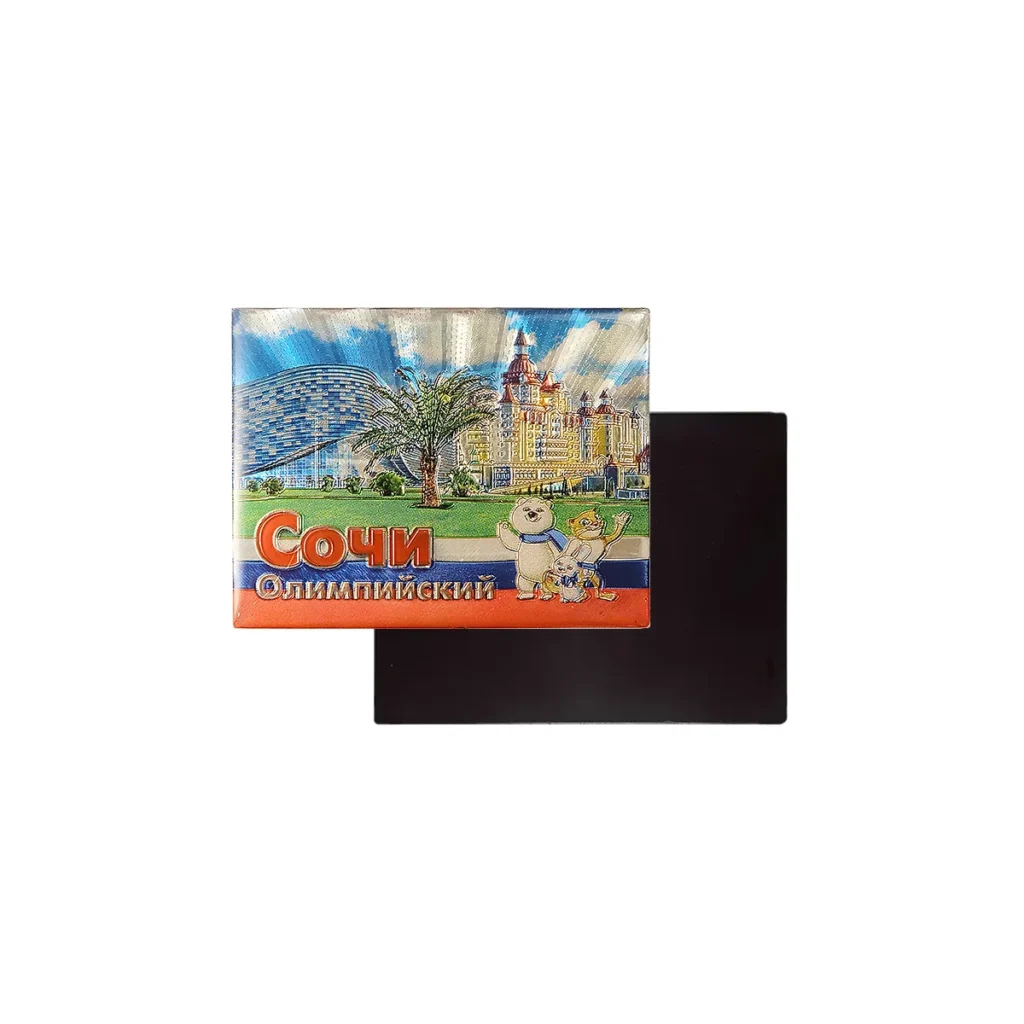
A fridge magnet looks like the lowest-risk item in a gift shop, right up to the moment it lands in a market that treats it as a toy, or treats the magnet inside it as a small-parts hazard. At that point the paperwork is either already correct or it is a recall.
This is a list of questions to put to any magnet supplier, including this one. It deliberately does not tell you which standard applies to you — that depends on your destination market, your buyer, and how child-appealing the piece is, and any supplier who answers it for you without asking those things is guessing.
Four assumptions that cause the problem
“They sent a certificate, so the product is certified.” A management-system certificate says how a plant documents its own processes. It is not a product safety test, it does not mention your piece, and it cannot substitute for one. Read what any certificate is actually for before treating it as cover.
“We tested it once.” A test report describes the samples that were tested. Whether it carries across to a later batch, a changed pigment, or a different plating supplier is a question with a real answer, and the answer is not automatically yes.
“The report is in English, so it covers our market.” Reports are written against a named standard for a named market. A report that satisfies one buyer’s compliance desk can be irrelevant to another’s.
“Testing is included.” Sometimes. Testing has a cost and someone pays it. If that has not been said out loud, it has not been agreed.
The questions
1. Which standard does my destination market apply to this product, and who decided that?
Ask the supplier what they believe applies, and ask your own importer or compliance contact separately. Where the two answers differ, you have found the thing to resolve before tooling, not after. Whether a magnet is assessed as a toy often turns on whether it is judged child-appealing, which is a judgement call, not a specification.
2. Is the report on the material, or on this finished product?
These are different documents with different scopes. A material test on the resin, the enamel or the board tells you about the substrate. It does not describe the assembled piece with its magnet, its adhesive and its printed surface. Ask which one you are being shown.
3. Per batch, per order, or once?
Establish the retest trigger in writing: a new colour, a new material lot, a new plating line, a gap between production runs. Then establish who commissions and who pays. This is a commercial term, not a technical one, and it belongs in the quotation.
4. What happens to the magnet if the piece breaks?
The magnet is the part with the ingestion history behind it, and it is the part most buyers never ask about. The questions worth asking are how the magnet is retained, what force the retention is tested to, and what the piece looks like after a drop test — not whether the magnet is “securely attached”, which is not a measurement.
5. What is on the surface?
Plating, enamel, inks, lacquers and the plasticisers in flexible materials are all surface chemistry, and they are what chemical restrictions actually target. Ask which of them are covered by whatever report is on offer, and which are not covered by it.
6. Who is the responsible party in the destination market?
Somebody named has to carry the product-safety obligation on the importing side. If your plan assumes the factory carries it, check that assumption early — it usually sits with the importer, and that changes what documentation you need to hold yourself.
7. What do the labels and the packaging have to say?
Marking requirements, importer details, warnings and language obligations are set by the destination market and printed at production time. Getting them wrong is not a quality failure; it is a shipment that cannot be sold as-is.
What a straight answer sounds like
A supplier who is being straight with you will say which reports currently exist, which have to be commissioned, what they cost and how long they take. A supplier who is not will send a folder of certificates that do not name your product and hope the folder is thick enough.
Our own position on this is deliberately unglamorous: we do not publish a certificate wall. For the process you choose, we will tell you what material documentation exists, what has to be commissioned for your market, and what that adds in time and cost — before tooling, in writing, as part of the quotation.
The quality and compliance page sets out how that works in practice. If you already know your buyer’s requirements, send them with your enquiry and you get a direct answer on what is and is not covered today.