Zinc Alloy or Brass: Which Metal Suits a Souvenir Fridge Magnet?
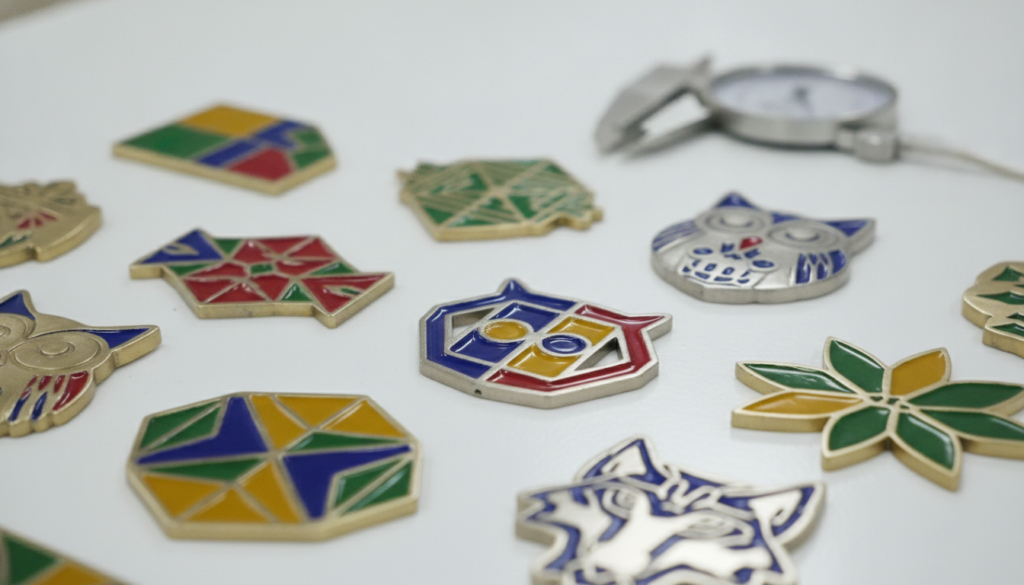
Zinc alloy is the default choice for detailed 3D souvenir metal fridge magnets because it captures fine relief through die-casting and accepts electroplated finishes at lower tooling cost, while brass is reserved for flat or low-relief designs where a warm, solid-metal aesthetic justifies higher material and stamping expense. Zinc alloy suits multi-layer relief with enamel paint; brass suits heritage or premium-feel collections where buyers expect heft and an antique gold or polished copper tone.
📋 Table of Contents
Executive Summary
- Relief Capability: Zinc alloy die-casting captures multi-layer 3D detail and sharp edges that stamped brass cannot match, making it the standard for iconic landmarks and character designs.
- Finish Versatility: Zinc alloy accepts electroplated nickel, gold, antique finishes and enamel paint fill; brass relies on its natural color and patina for appeal.
- Cost Structure: Zinc alloy tooling and material run lower than brass, which matters when testing a new destination or expanding a souvenir line across multiple SKUs.
- Retail Positioning: Zinc alloy fits mid-market tourist and theme-park retail; brass suits museum stores and heritage sites where buyers expect solid-metal heft and warm aging.
- Production Partner: Magnista produces custom souvenir magnets in 3D resin, soft PVC, metal (zinc alloy and brass) and wood, with design proof, physical sample sign-off and pre-shipment checks before bulk.
Why Does Zinc Alloy Dominate Souvenir Magnet Production?
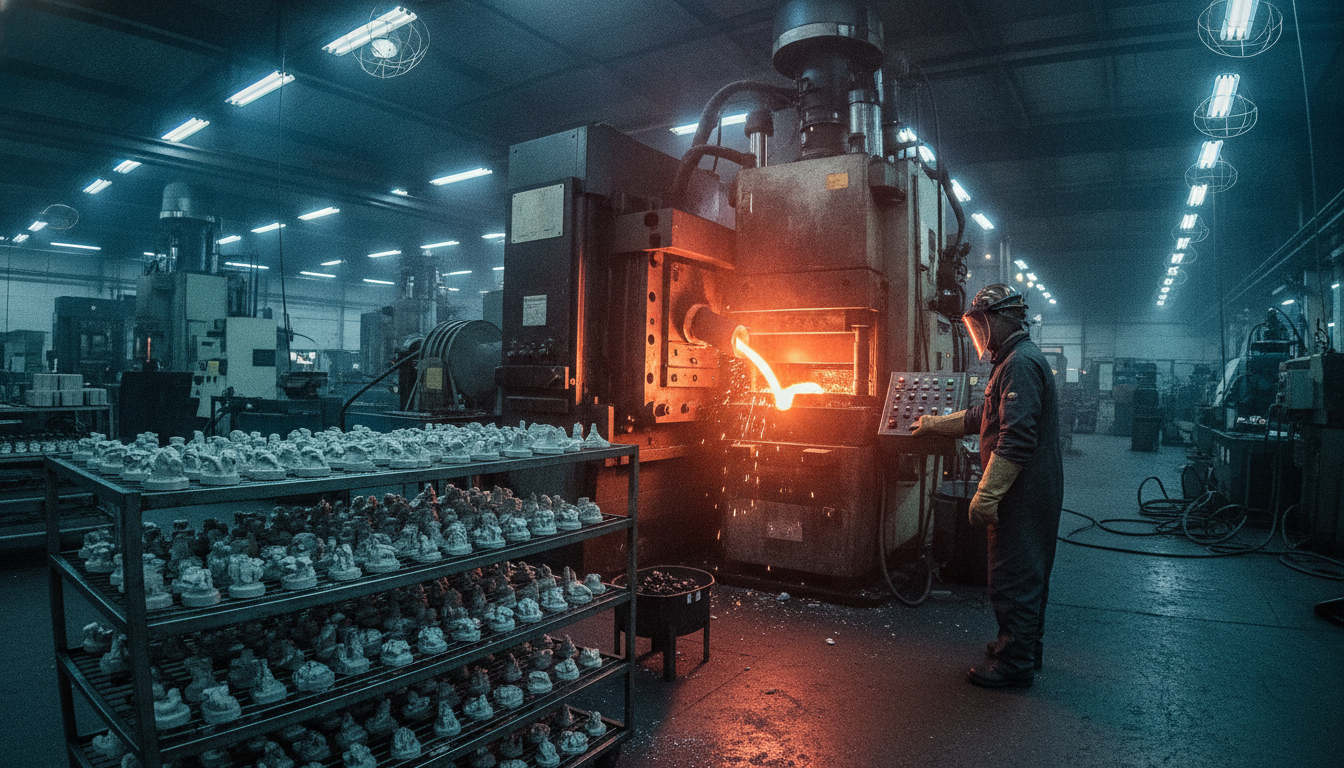
Zinc alloy holds over 80% of the custom metal fridge magnets market because die-casting delivers the relief detail and color separation that souvenir buyers expect. A zinc alloy magnet can reproduce thin lettering, layered architectural features and small logo elements that would blur or collapse in a stamped brass blank. The alloy melts at a lower temperature than brass, flows into fine mold cavities and cools with minimal shrinkage, so the finished casting matches the approved 3D rendering.
Die-Casting Captures Fine Relief and Multi-Layer Depth
Die-casting forces molten zinc alloy into a steel mold under high pressure, filling recesses as narrow as half a millimeter. This process produces raised text, recessed background textures and multiple relief planes in a single shot. Stamped brass, by contrast, uses a press to strike a flat or low-relief pattern into sheet metal; detail depth is limited by the material’s ductility and the risk of tearing during the strike. For a magnet depicting a cathedral façade with columns, windows and statuary, zinc alloy die-casting holds the geometry that stamping cannot.
In practice: A die-cast zinc alloy magnet is produced in two mold halves that close around a core, allowing undercut features and back-side attachment posts to form in one casting cycle, which eliminates the secondary assembly that flat brass blanks require.
Enamel Paint Fill Works Better on Zinc Alloy
Zinc alloy accepts soft-enamel or hard-enamel paint that sits in recessed areas and cures to a smooth or slightly domed finish. The alloy surface, once plated, provides a stable substrate for paint adhesion. Brass, especially when polished or antiqued, has a natural luster that buyers want to preserve; adding enamel paint over brass often obscures the metal’s warm tone and reduces the premium feel. Most brass souvenir magnets ship with the metal exposed and rely on etched or embossed line detail rather than color fill.
Lower Tooling Cost for New Designs
A zinc alloy die-casting mold costs less to machine than a brass stamping die because the casting mold operates at lower tonnage and the alloy’s lower melting point reduces tool wear. When launching a new destination line or testing seasonal designs, the tooling difference allows buyers to spread setup cost across more SKUs without committing to large quantities per design. Brass stamping dies, built to withstand repeated high-pressure strikes, carry higher fabrication cost and longer lead times.
When Is Brass Justified for a Souvenir Magnet?
Brass makes sense when the retail positioning demands solid-metal heft, a warm gold or copper tone and the perception of a keepsake rather than a mass-market trinket. Museum stores, heritage sites and premium gift shops stock brass magnets to signal quality and justify a higher retail price. Brass also suits collections where natural aging and patina are part of the brand story.
Heritage and Premium-Feel Collections
Brass density gives a magnet noticeable weight in the hand. A brass piece feels more substantial than a zinc alloy magnet of the same size, and buyers in museum retail or boutique gift shops associate that heft with durability and value. The metal’s natural color ranges from bright gold to reddish copper, depending on the zinc-to-copper ratio, and polished brass catches light in a way that electroplated zinc alloy cannot replicate. For destinations with historical architecture or cultural significance, brass reinforces the narrative.
Flat or Low-Relief Designs with Etched or Embossed Line Art
Brass works best for designs that do not require deep 3D relief. Stamped brass can produce crisp embossed outlines, debossed text and etched line art that highlight the metal’s natural luster. A brass magnet depicting a city skyline in silhouette or a botanical illustration in fine line etching plays to the material’s strengths. Complex multi-layer relief, small undercuts and sharp internal corners push brass stamping beyond its practical limits and drive up scrap rates.
Natural Patina and Aging as a Design Feature
Brass develops a patina over time, shifting from bright gold to muted bronze or greenish tones depending on exposure to air and moisture. Some buyers specify unlacquered brass so the magnet ages naturally, creating a vintage look that appeals to collectors. Zinc alloy, unless plated with an antique finish, does not age gracefully; unplated alloy oxidizes to a dull gray that reads as tarnish rather than character. For heritage and nostalgia-driven collections, brass patina is an asset, not a defect.
How Do Finish Options and Durability Compare?
Zinc alloy and brass take different paths to a finished surface. Zinc alloy relies on electroplating and enamel paint to deliver color and corrosion resistance; brass relies on mechanical polishing, chemical antiquing or clear lacquer to preserve its natural appearance. Understanding these finish systems helps you match the metal to your retail environment and expected handling.
Zinc Alloy: Electroplating and Enamel Paint
After casting, zinc alloy magnets are tumbled to remove flash, then electroplated with nickel, gold, copper or black nickel to provide a base color and protect the alloy from oxidation. Soft-enamel paint is applied to recessed areas by hand or automated dispenser, then baked to cure. Hard enamel involves multiple paint layers and polishing steps to bring the enamel level with the metal surface, creating a smooth, glass-like finish. The plating layer is typically a few microns thick; if the magnet is dropped or scratched, the underlying alloy may show through as a gray spot. Buyers should ask for a plating-thickness report at quotation to ensure the finish will survive retail handling and customer use.
- Nickel plating: bright silver finish, widely used for modern or minimalist designs.
- Gold plating: warm yellow tone, often specified for luxury or commemorative pieces.
- Antique finishes: darkened recesses and highlighted raised areas, giving a vintage look without brass cost.
- Black nickel: gunmetal gray, popular for urban or industrial themes.
Brass: Polishing, Antiquing and Lacquer
Brass magnets are stamped, then tumbled or vibratory-finished to smooth edges. Polishing brings out the metal’s natural shine; chemical antiquing darkens recesses and edges to create contrast and depth. A clear lacquer coat seals the surface and slows patina development, though the lacquer will wear off with handling. Buyers who want the brass to age naturally can request unlacquered pieces, accepting that the metal will darken over months or years. Brass does not accept enamel paint as reliably as plated zinc alloy because the paint can peel or chip where it sits on the bare metal surface.
- Polished brass: bright gold, mirror-like finish for high-end retail.
- Brushed brass: matte surface with visible directional grain, hides fingerprints.
- Antique brass: chemically darkened with highlights on raised areas, heritage aesthetic.
- Unlacquered brass: develops natural patina, suitable for collectors and vintage themes.
Corrosion and Tarnish Resistance in Retail Environments
Zinc alloy magnets rely entirely on their plating for corrosion resistance. If the plating is thin or damaged, the alloy oxidizes quickly, especially in humid coastal or tropical climates. Brass is more corrosion-resistant in its bare state but will tarnish unless lacquered. For souvenir shops in beach towns or high-humidity destinations, ask your supplier for a salt-spray test report showing how many hours the plated zinc alloy or lacquered brass withstands before visible corrosion. A well-plated zinc alloy magnet should pass 24 hours of neutral salt spray without rust; brass should show no significant tarnish under the same test if properly lacquered.
Does Metal Choice Affect Magnet Backing Strength?
The metal body does not directly determine holding power, but it does influence how the magnet backing is attached and how the finished piece performs on a refrigerator door. Zinc alloy and brass magnets both use ferrite or neodymium disc magnets glued or mechanically fastened to the back. The key difference is weight: a heavier brass magnet requires a stronger magnet disc to support its mass without sliding down a vertical surface.
Ferrite versus Neodymium Backing Discs
Ferrite magnets are black ceramic discs with moderate holding power, widely used for lightweight zinc alloy magnets. Neodymium (rare-earth) magnets are smaller, stronger and more expensive, specified for heavier brass pieces or large zinc alloy designs. A brass magnet weighing 30 grams may need a neodymium disc to prevent it from sliding, while a 15-gram zinc alloy magnet holds securely with a standard ferrite disc. Ask your supplier to confirm the magnet grade and pull strength in grams-force; a typical souvenir magnet should hold at least 150 grams-force to stay put on a refrigerator door without sliding under its own weight.
Attachment Method: Glue, Rivet or Embedded Post
Zinc alloy die-casting can include a raised post or recessed pocket on the back, allowing the magnet disc to be glued into a machined recess for a flush finish. Brass blanks, being flat or low-relief, typically have the magnet disc glued to the back surface with industrial adhesive. Glue joints can fail if the adhesive is under-specified or if the magnet is exposed to high heat during shipping or storage. For high-volume retail where magnets are handled frequently, request a peel-strength test report showing the adhesive bond can withstand at least 5 newtons of pull force before the magnet disc separates from the metal body.
What Sourcing Considerations Matter for Each Metal?
Zinc alloy and brass differ in material availability, yield rates and lead-time predictability. These factors affect your ability to reorder quickly, manage inventory and respond to seasonal demand spikes. Buyers should ask specific questions at quotation to avoid surprises during production.
Material Cost and Price Volatility
Zinc alloy pricing is relatively stable because zinc is abundant and widely traded. Brass pricing fluctuates with copper and zinc commodity markets; when copper prices spike, brass material cost can jump by double-digit percentages in a single quarter. For buyers planning a multi-year souvenir program with consistent SKUs, zinc alloy offers more predictable unit costs. Brass buyers should request fixed-price quotes with a validity window and plan for price adjustments at reorder if commodity markets move.
Yield Rate and Scrap in Production
Zinc alloy die-casting has a high yield rate because the molten metal fills the mold completely and cools with minimal defects. Scrap is limited to runner and gate material, which can be remelted. Brass stamping generates more scrap, especially for intricate designs where the press must cut complex outlines from sheet stock. Higher scrap rates translate to higher material waste and slightly longer lead times as the factory compensates for rejected pieces. Ask your supplier for their typical yield rate by process; die-casting should run above 95%, while brass stamping may range from 85% to 95% depending on design complexity.
Minimum Order Quantities and Tooling Commitment
Minimums differ by process and are confirmed at quotation. Zinc alloy die-casting and brass stamping both require custom tooling, so suppliers prefer larger initial orders to amortize mold or die cost. Buyers testing a new destination or launching a limited-edition series should ask whether the supplier will hold the tooling for future reorders and whether a lower initial quantity is possible if you commit to a total volume over multiple shipments. Magnista confirms MOQ, tooling terms and reorder minimums at quotation for every design.
Sustainability and Metal Recyclability
Both zinc alloy and brass are fully recyclable. Zinc alloy scrap is remelted and recast without significant loss of properties. Brass scrap retains its copper and zinc content and is highly valued in scrap-metal markets. For buyers facing sustainability questions from museum boards or corporate procurement teams, both metals offer a circular-economy story. Ask your supplier whether they use recycled-content alloy or brass and request documentation if your retail channel requires it. No verified recycled-content percentage is published for standard souvenir-magnet alloys, so any claim should come with a mill certificate or third-party verification.
Compliance and Testing for North American and EU Markets
Metal fridge magnets sold in North America and the EU must meet specific safety and chemical-content standards, especially if the product is marketed to children or sold in museum stores where younger visitors may handle merchandise. CPSIA in the United States and EN71 in the EU set limits on lead, cadmium and phthalates in consumer products. Brass naturally contains trace lead as a machining aid, and some zinc alloys use lead to improve castability. Buyers should ask every supplier for current test reports showing compliance with CPSIA lead limits (90 ppm for children’s products, 100 ppm for general use) and EN71-3 migration limits for the specific alloy and plating used. Do not assume compliance; verify it at quotation and request updated reports if you reorder after a production-partner change.
Compliance checkpoint: CPSIA and EN71 apply to the finished magnet, including plating and paint, not just the base metal. Ask for a test report on the complete assembly.
Key Takeaways
- Zinc alloy die-casting captures multi-layer 3D relief and sharp detail that stamped brass cannot match, making it the default choice for iconic landmarks and character-driven souvenir designs.
- Brass is specified for flat or low-relief magnets where solid-metal heft, warm natural color and heritage appeal justify higher material and tooling cost.
- Zinc alloy accepts electroplated finishes and enamel paint fill; brass relies on polishing, chemical antiquing and clear lacquer to preserve its natural luster.
- Heavier brass magnets require stronger neodymium backing discs to prevent sliding on vertical surfaces, while lighter zinc alloy pieces hold securely with standard ferrite magnets.
- Brass material cost fluctuates with copper commodity prices, while zinc alloy pricing remains more stable, which matters for multi-year souvenir programs.
- Both metals are fully recyclable, and buyers should request test reports showing compliance with CPSIA lead limits and EN71 migration standards for the specific alloy and finish used.
Can zinc alloy magnets be plated to look like brass?
Yes, zinc alloy magnets are routinely electroplated with gold or copper to mimic a brass appearance. The plating delivers a warm gold tone at lower material cost than solid brass, and the die-cast relief detail often exceeds what stamped brass can achieve. However, the plated surface is a few microns thick and can wear through with heavy handling, exposing the gray alloy underneath. For a true brass look that ages naturally, solid brass is the better choice.
Do brass magnets tarnish faster than plated zinc alloy?
Unlacquered brass develops a natural patina over time, shifting from bright gold to muted bronze or greenish tones depending on exposure to air and moisture. This aging is intentional for heritage collections but may read as tarnish in mid-market retail. Lacquered brass resists tarnish longer, but the lacquer wears off with handling. Plated zinc alloy, by contrast, maintains its finish as long as the plating remains intact; once the plating is scratched, the alloy oxidizes quickly to a dull gray.
Which metal is better for outdoor or high-humidity souvenir shops?
Both metals require protective finishes in high-humidity or coastal environments. Well-plated zinc alloy should pass 24 hours of neutral salt-spray testing without visible corrosion; ask your supplier for a test report confirming plating thickness and salt-spray results. Lacquered brass resists tarnish in humid conditions but will eventually patina if the lacquer wears off. For outdoor retail or beach-town shops, verify the finish durability at quotation rather than assuming either metal is inherently corrosion-proof.
Ready to choose the right metal for your souvenir magnet line?
Request a Quote →
Written by the Magnista export team, who coordinate design proofs, sampling and production for custom souvenir magnets.