How 3D Resin Fridge Magnets Are Made & Best Designs (2026)
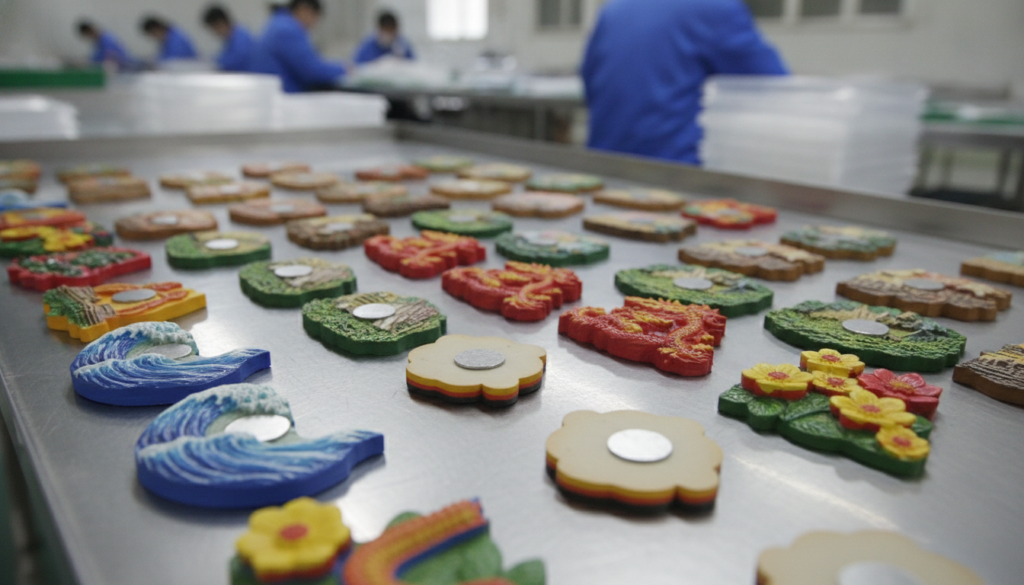
3D resin fridge magnets are made by pouring polyester or epoxy resin into silicone molds in multiple layers, each cured separately to build relief depth, then hand-painted and finished with a protective topcoat and magnet backing. Designs that work best feature bold, recognizable silhouettes with clear color separation, landmarks, animals, food icons, and local symbols, because thin lines and small text can blur during the pour and cure.
📋 Table of Contents
- Executive Summary
- How Is Resin Cast Into Multi-Layer Relief?
- How Are Silicone Molds Created for 3D Magnets?
- What Happens After the Resin Cures?
- Which Designs Suit 3D Resin Magnets Best?
- How Do Design Choices Differ by Retail Channel?
- When Should You Choose Resin Over PVC, Metal, or Wood?
- What Quality Checks Matter Before Ordering Bulk?
- Key Takeaways
Executive Summary
- Multi-layer casting: 3D resin fridge magnets are built by pouring and curing separate resin layers in silicone molds, creating depth and relief that soft PVC cannot match.
- Design constraints: Bold outlines and clear color blocks translate reliably; fine text below 3 mm height and intricate line work often blur or fill during the pour.
- Retail channel fit: Museums favor accurate architectural detail, tourist attractions prefer instantly recognizable icons, and gift shops stock playful food and animal shapes.
- Sample approval critical: Physical sample sign-off is the only way to confirm that thin features, small color areas, and relief depth survive the casting process before bulk production starts.
- Material comparison: Resin delivers sculpted depth and vivid color separation; soft PVC offers clean, flat color blocks; metal provides premium weight and plating; wood suits natural, rustic themes.
How Is Resin Cast Into Multi-Layer Relief?
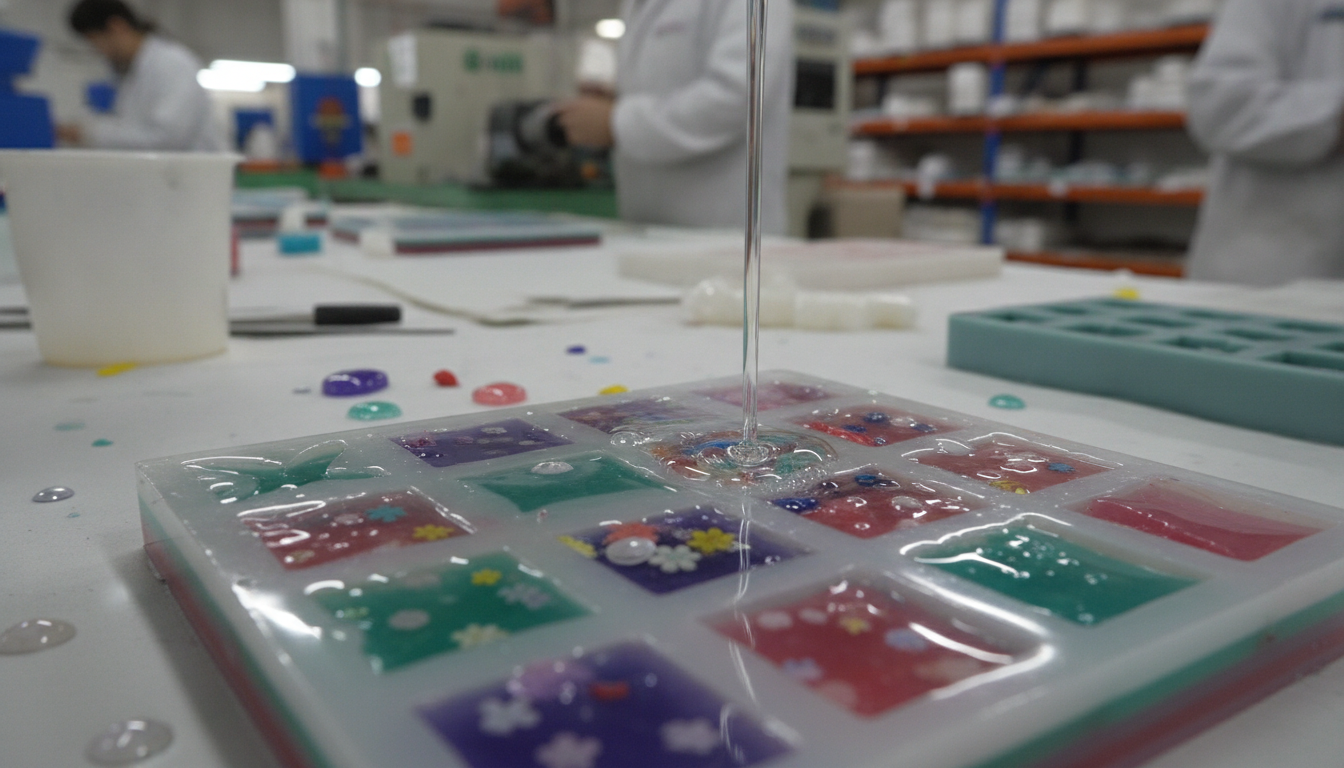
Resin casting builds depth by pouring separate layers. Each layer is poured into the silicone mold, allowed to cure partially or fully, then the next color or relief level is added. This creates the three-dimensional effect that gives 3D resin fridge magnets their sculpted appearance.
Base Layer and Background
The first pour establishes the background color and deepest relief. Polyester or epoxy resin is mixed with pigment, degassed to remove air bubbles, and poured into the mold cavity. Cure time depends on resin type and ambient temperature; most systems cure in several hours at room temperature or faster under heat. A partially cured base accepts the next layer without the two separating.
Detail Layers and Color Separation
Subsequent pours add foreground elements, fine details, and color transitions. Each pour is carefully placed to avoid mixing with the previous layer. Masking or selective pouring keeps colors in their designated areas. Thin features, lettering, narrow lines, small dots, require precise control; if the resin flows too freely or the mold detail is too shallow, these features blur or fill in.
Protective Topcoat
After all color layers cure, a clear resin topcoat is poured over the entire surface. This layer protects the paint, adds gloss, and unifies the relief. The topcoat also seals any minor surface imperfections left by hand-painting. Once fully cured, the magnet is demolded and inspected.
How Are Silicone Molds Created for 3D Magnets?
Silicone molds determine the final relief depth and surface detail. The mold itself is made from a master pattern, which can be hand-sculpted, CNC-machined, or 3D-printed. The master is placed in a mold box, liquid silicone rubber is poured around it, and the silicone cures to form a flexible negative mold.
Master Pattern Preparation
The master pattern must capture every detail the final magnet will show. Hand-sculpted masters allow organic shapes and artistic interpretation but require skilled sculptors. CNC-machined or 3D-printed masters deliver precise geometry and repeatable detail, which suits architectural landmarks and mechanical subjects. The master is sealed and polished to prevent the silicone from sticking and to ensure a smooth mold surface.
Mold Durability and Reuse
Silicone molds are reusable but degrade over time. Each demolding stresses the mold; fine details wear first. A well-maintained mold can produce hundreds to thousands of castings, depending on resin type, cure temperature, and demolding technique. Buyers ordering repeat runs should ask how many castings the mold has already completed and whether a replacement mold is needed to maintain detail quality.
What Happens After the Resin Cures?
Hand-painting and finishing add the final color details. Demolded magnets are inspected for air bubbles, incomplete fills, and surface defects. Acceptable pieces move to the painting station.
Hand-Painting Detail
Small details, eyes, text, fine lines, are often hand-painted with acrylic or enamel paint after the resin cures. This step allows correction of minor casting imperfections and adds sharpness to features that would be difficult to achieve with poured resin alone. Hand-painting introduces variability; each magnet will differ slightly, which buyers should account for when setting quality standards.
Magnet Backing Attachment
A ferrite or neodymium disc magnet is glued to the back of the cured resin piece. Ferrite magnets are heavier and less expensive; neodymium magnets are thinner and stronger. The adhesive must bond to both the resin and the magnet surface without peeling. Weak adhesive or insufficient curing time can lead to magnets detaching during shipping or handling, a common complaint buyers raise when screening suppliers.
Final Inspection and Packaging
Finished magnets are inspected for paint accuracy, magnet pull strength, and surface finish. Defective pieces are culled. Accepted magnets are packaged in polybags, blister cards, or retail-ready boxes, depending on the buyer’s specification. Barcodes, country-of-origin labels, and safety warnings are added at this stage.
Which Designs Suit 3D Resin Magnets Best?
Designs with bold, recognizable shapes and clear color separation perform best. Resin casting rewards simplicity and punishes fine detail.
- Landmarks and architecture: Iconic buildings, bridges, towers, monuments, translate well when simplified to their most recognizable features. Excessive window detail or thin columns often blur; focus on silhouette and major structural elements.
- Animals and wildlife: Local fauna with distinctive shapes, bears, horses, birds, marine life, work reliably. Fur texture and fine feather detail are difficult; smooth, stylized forms are easier to cast and paint.
- Food and drink: Regional specialties, cheese wheels, wine bottles, pastries, seafood, are popular souvenir motifs. Rounded, chunky forms cast cleanly; thin items like baguettes or asparagus require careful mold design to avoid breakage.
- Flags and emblems: National and regional flags, crests, and logos suit resin when the design has fewer than six colors and no text smaller than 4 mm. Complex emblems with fine heraldic detail often need simplification.
- Text and lettering: City names, attraction titles, and slogans are common requests. Raised text must be at least 3 mm tall and have stroke widths above 1 mm to cast reliably. Serif fonts and script faces often fill in; sans-serif block letters are safer.
In practice: A physical sample reveals whether 3 mm city-name lettering survives the resin pour without filling in, because mold depth and resin viscosity vary by production partner and cannot be predicted from a digital proof alone.
How Do Design Choices Differ by Retail Channel?
Museum stores, tourist attractions, and gift shops prioritize different design attributes. Matching the design to the channel increases sell-through and reduces returns.
Museum Stores
Museum buyers favor historical accuracy and educational value. Designs should reference specific exhibits, architectural details, or collection pieces. Color palettes often match the original artifact or building. Packaging may include explanatory text about the subject. Museums accept higher retail prices for accurate, detailed designs, so the added cost of complex molds and hand-painting is justified.
Tourist Attractions
Attraction retail managers need instantly recognizable icons that photograph well and fit impulse-purchase price points. Simplified, colorful designs with strong silhouettes outperform realistic detail. The magnet should be identifiable in a photo posted to social media. Speed to market matters; attractions refresh inventory seasonally and cannot wait for long sampling cycles.
Gift Shops and General Souvenir Retailers
Gift shop owners stock a broad range of price points and design styles. Playful, whimsical designs, cartoon animals, exaggerated food, humorous slogans, often outsell serious, realistic pieces. Resin magnets compete with cheaper alternatives here, so the design must justify the price premium through perceived quality, color vibrancy, or novelty.
When Should You Choose Resin Over PVC, Metal, or Wood?
Each material suits different design requirements and retail positioning. Magnista produces magnets in four processes: 3D resin, soft PVC, metal, and wood.
3D Resin Advantages
Resin delivers sculpted depth and vivid, multi-layer color that soft PVC cannot match. The material feels substantial, and the hand-painted details add perceived value. Resin suits designs where relief and color complexity justify a higher retail price. Museum stores and premium gift shops are the primary channels.
3D Resin Limitations
Fine detail is difficult. Text smaller than 3 mm often fills in during casting. Thin features, narrow lines, small dots, delicate protrusions, are fragile and may break during demolding or shipping. Hand-painting introduces variability, so buyers must set realistic tolerances. Lead times are longer than soft PVC because each layer cures separately and hand-finishing is labor-intensive.
What Quality Checks Matter Before Ordering Bulk?
Physical sample approval is the only reliable way to verify that the design survives the casting and finishing process. Digital proofs show color and layout but cannot predict how resin flows, how layers bond, or how hand-painting looks at production scale.
Sample Inspection Points
Inspect the physical sample for these common issues:
- Air bubbles: Small bubbles on the surface or trapped inside the resin indicate incomplete degassing or improper pouring technique. Bubbles reduce durability and mar appearance.
- Color bleed: Colors that run into adjacent areas suggest the previous layer was not fully cured before the next pour, or that the mold detail is too shallow to separate colors cleanly.
- Filled-in detail: Text, lines, and small features that appear sharp in the digital proof but blur or disappear in the sample will not improve in bulk production. Simplify the design or increase feature size.
- Magnet pull strength: Test the magnet on a vertical steel surface. If it slides or falls off under its own weight, the magnet is too weak or poorly bonded. Buyers report that weak magnets are a frequent complaint from end customers.
- Paint accuracy: Compare hand-painted details to the approved color reference. Small variations are normal, but consistent misalignment or wrong colors indicate a training or quality-control gap.
Pre-Shipment Checks
Before bulk shipment, a pre-shipment inspection verifies that the production run matches the approved sample. Check a random selection of pieces for the same defects noted during sampling. Confirm that packaging, barcodes, and labeling are correct. Magnista includes design proof, physical sample sign-off, and pre-shipment checks in every order, but buyers should still specify which defects are acceptable and which trigger rejection.
How Do You Verify a Supplier Before Ordering?
Buyers raise concerns about finish quality, unclear material labeling, and weak magnets when sourcing from unfamiliar suppliers. Ask for samples of previous work in the same material and size range. Request photos of the production floor, mold storage, and finishing area. Verify that the supplier can provide test reports for the resin, adhesive, and magnet materials if your market requires them. Check whether the supplier has experience with your retail channel; a supplier who mainly produces promotional items may not understand museum-store quality standards.
Key Takeaways
- 3D resin fridge magnets are made by pouring and curing multiple resin layers in silicone molds, then hand-painting details and attaching magnet backing.
- Designs with bold silhouettes, clear color separation, and minimal fine detail translate most reliably; text below 3 mm height and lines under 1 mm often blur during casting.
- Museum stores prioritize historical accuracy and detailed relief; tourist attractions need instantly recognizable icons; gift shops favor playful, colorful designs at accessible price points.
- Physical sample sign-off is the only way to confirm that thin features, small color areas, and relief depth survive the casting process before bulk production starts.
- Resin delivers sculpted depth and vivid color; soft PVC offers clean, flat color blocks; metal provides premium weight and plating; wood suits natural, rustic themes.
- Common quality issues include air bubbles, color bleed, filled-in detail, weak magnet pull, and paint inaccuracy; all should be checked at sampling and again before shipment.
Are resin fridge magnets durable enough for retail sale?
Resin magnets are durable when properly cast and finished. The cured resin is hard and impact-resistant, and the protective topcoat shields the paint from scratches and moisture. Thin features, narrow protrusions, delicate text, are more fragile and can break if dropped or mishandled during shipping. Buyers should test samples for drop resistance and specify packaging that protects fragile areas. Magnet pull strength depends on the size and type of magnet backing; weak magnets are a common complaint, so verify holding power on a vertical steel surface before ordering bulk.
What is the difference between resin and soft PVC fridge magnets?
Resin magnets are cast in layers to create three-dimensional relief and vivid color separation; soft PVC magnets are injection-molded in a single step with raised outlines and flat color fills. Resin suits designs that need sculpted depth and complex color gradients; PVC suits cartoon and logo designs with clean, simple color blocks. Resin requires hand-painting for fine details and has longer production times; PVC is faster and less expensive per piece. Both materials are durable, but resin feels more substantial and commands a higher retail price.
How do I choose between 3D resin, metal, and wood for a landmark design?
Choose 3D resin when the design needs sculpted relief and vivid color separation, for example, a colorful cathedral facade or a multi-story building with distinct architectural layers. Choose metal when you want premium weight, plating finishes like gold or antique bronze, and fine engraved detail, suited to minimalist, high-end museum stores. Choose wood when the design fits a natural, rustic theme and you want laser-engraved detail with UV-printed color on a wood-grain background. Each material suits different retail channels and price points; review material options and request samples of the same design in each process to compare finish quality and retail appeal.
Ready to see how your design translates into 3D resin relief?
Request a Design Proof & Sample →
Written by the Magnista export team, who coordinate design proofs, sampling and production for custom souvenir magnets.