Tourist Attraction Souvenir Magnets: Format Selection Guide
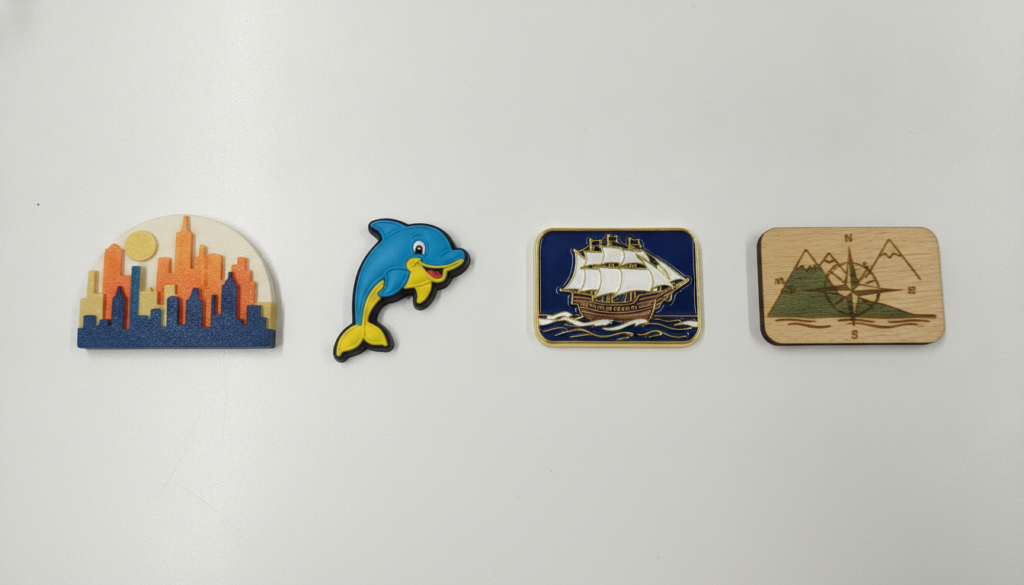
Tourist attraction souvenir magnets work best when the format matches your visitor profile, display space, and margin requirements. 3D resin delivers high visual impact for landmark-heavy attractions, soft PVC suits budget-conscious gift shops with younger visitors, metal formats appeal to collectors at museums and heritage sites, and wood offers premium positioning for eco-focused or artisan venues. Each process has distinct tooling, durability, and retail price points that determine fit.
📋 Table of Contents
- Executive Summary
- Which format delivers the best visual impact for landmark attractions?
- When does metal outperform resin for museum and heritage retail?
- How does wood fit into souvenir magnet merchandising?
- What display and theft-loss factors affect format choice?
- How do margin and durability compare across formats?
- Key Takeaways
Executive Summary
- Format selection starts with visitor profile: 3D resin captures photo-taking tourists at iconic landmarks, soft PVC serves budget-conscious family groups, metal appeals to repeat visitors and collectors, and wood targets eco-aware buyers willing to pay a premium.
- Display density matters: soft PVC magnets pack more SKUs per linear foot because of their thin injection-molded profile, while resin and wood require deeper shelving and lower unit counts per fixture.
- Retail price zones rarely overlap: resin and metal sit in the mid to premium band, soft PVC anchors entry-level racks, and wood commands the highest ticket when positioned as sustainable or artisan.
- Durability and breakage risk differ by material: metal and soft PVC survive drop tests and repeated handling better than resin (which can chip at thin edges) and wood (which splits along the grain if the design has narrow sections).
- Production tooling drives minimum order quantities: resin uses silicone molds that handle complex relief, soft PVC requires steel injection molds, metal needs die-casting or stamping dies, and wood relies on laser-cut templates, each with different setup economics confirmed at quotation.
Which format delivers the best visual impact for landmark attractions?
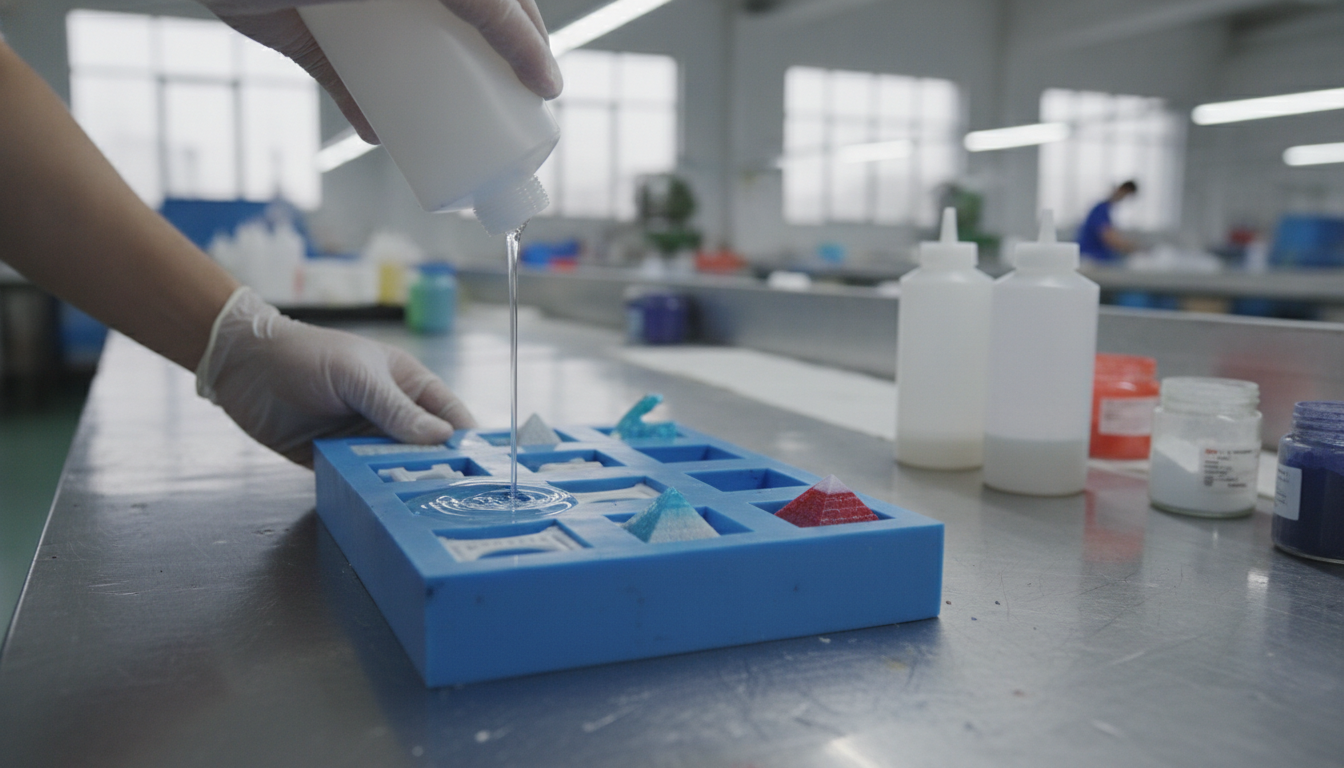
3D resin magnets deliver the highest visual impact for landmark-driven tourist attraction souvenir magnets. The process builds relief in multiple layers, so skylines, architectural details, and three-dimensional icons stand out on a retail wall. Resin accepts fine color separation because each hue is poured into its own cavity, and the cured surface takes a glossy or matte topcoat that protects the design and adds perceived value. Attractions with recognizable skylines, bridges, monuments, or statues see stronger sell-through when the magnet mirrors the photo opportunity visitors just experienced.
How 3D resin magnets are produced
Resin magnets start with a silicone mold carved to match the approved design. Liquid polyresin is poured into the mold in layers, with each color cured separately to maintain sharp boundaries. After demolding, the piece is hand-painted where needed, topcoated, and fitted with a neodymium or ferrite disc magnet on the back. The multi-step process means resin handles intricate relief and small text better than soft PVC, but it also makes per-unit production slower and more labor-intensive.
In practice: Resin magnets are cast in layers, so a physical sample is the only way to confirm that thin text and small color areas survive the pour before bulk production starts.
When soft PVC makes more sense
Soft PVC works better when the design is flat or low-relief, the retail price point is budget-driven, and the visitor demographic skews younger or family-focused. Injection-molded soft rubber delivers clean color blocks and a tactile, flexible feel that appeals to children and casual souvenir buyers. The material is lighter and thinner than resin, so display fixtures hold more units per square foot. Gift shops that rotate high volumes of low-ticket impulse items often choose soft PVC because the format supports faster stock turns and simpler restocking.
- Flat or low-relief designs: soft PVC excels at bold graphics, cartoon mascots, and simple logos where depth is minimal.
- Budget retail positioning: the injection-molding process scales efficiently, keeping per-unit costs lower than resin or metal.
- Durability in high-touch environments: soft PVC resists chipping and bending, making it suited to shops where children handle merchandise freely.
- Thin profile for dense display: PVC magnets stack and hang more tightly, maximizing SKU count on spinner racks and pegboards.
When does metal outperform resin for museum and heritage retail?
Metal magnets outperform resin when the venue positions itself as premium, educational, or collector-focused. Museums, heritage sites, and cultural attractions use die-cast zinc alloy or stamped brass magnets with enamel paint and plating to signal quality and permanence. The weight and metallic finish create a tactile premium cue that justifies a higher retail price, and metal magnets hold up better over years of repeated fridge mounting and removal, appealing to repeat visitors who collect series or limited editions.
Die-casting and stamping processes
Metal magnets are produced by die-casting molten zinc alloy into a steel mold or by stamping flat brass sheet and forming it into shape. After cooling, the piece is polished, painted with enamel in recessed areas, and plated with nickel, gold, or antique finishes. A strong neodymium magnet is glued or riveted to the back. The result is a rigid, scratch-resistant product that feels substantial in the hand and photographs well for social sharing.
Collector and series positioning
Metal formats lend themselves to numbered series, annual releases, and limited-edition merchandising strategies that drive repeat visits and higher basket values. Attractions with strong brand identity or rotating exhibitions use metal magnets to anchor a collectible program, knowing that the durability and perceived value encourage buyers to complete sets over multiple trips. The format also works well for corporate gifts and group sales, where the premium finish aligns with professional presentation standards.
How does wood fit into souvenir magnet merchandising?
Wood magnets occupy a niche premium position in tourist attraction souvenir magnets, appealing to eco-conscious buyers and venues that emphasize sustainability, local craft, or artisan quality. Laser-cut and engraved wood magnets use natural grain as a design element, and UV printing adds full-color graphics without covering the wood texture. The format commands the highest retail price per unit but also carries the highest breakage risk, so it fits best in curated gift shops where staff can educate buyers and where display fixtures protect thin sections from handling damage.
Laser cutting and UV printing
Wood magnets are laser-cut from plywood, bamboo, or solid hardwood sheets, with engraving adding depth to logos, text, or line art. UV printing applies full-color images directly onto the wood surface, cured instantly by ultraviolet light to prevent smudging. A clear topcoat seals the print and protects the wood from moisture. A small disc magnet is glued into a recessed pocket on the back. The process allows intricate cutouts and organic shapes, but designs with narrow bridges or sharp corners are prone to splitting during production or shipping.
Sustainability and artisan messaging
Wood magnets support sustainability storytelling when the venue wants to differentiate from mass-market resin and PVC. Buyers who prioritize natural materials, renewable resources, or reduced plastic use will pay a premium for wood, especially when the product is presented with information about the wood source or the local artisan connection. The format works well in national park gift shops, eco-tourism centers, and museum stores with environmental or conservation themes, where the material choice reinforces the venue’s mission.
What display and theft-loss factors affect format choice?
Display density and theft-loss risk shape format decisions as much as visual appeal. Soft PVC magnets maximize SKU count per fixture because of their thin profile, making them ideal for spinner racks and pegboard walls with limited floor space. Resin and metal magnets require deeper shelving and lower density, but their weight and bulk make them harder to pocket, reducing shrinkage. Wood magnets are the most fragile and the easiest to damage through casual handling, so they belong in staff-attended displays or protective acrylic boxes rather than open bins.
Fixture and planogram fit
Resin magnets with thick relief need hooks or shelves that accommodate depth, while flat soft PVC and metal magnets hang easily on standard pegboard or slatwall. Wood magnets often come in irregular laser-cut shapes that do not fit uniform grid layouts, requiring custom display solutions or mixed-merchandise presentation. Attractions with tight retail footprints favor formats that pack densely and rotate quickly, while venues with spacious gift shops can afford the lower unit density of premium resin or wood displays.
Theft and breakage rates
Soft PVC and metal magnets have the lowest theft-loss rates because they are lightweight, inexpensive to replace, and less tempting to professional shoplifters. Resin magnets break more often when dropped, especially at thin edges or fine details, leading to higher write-offs from floor damage. Wood magnets split or crack if handled roughly, and their premium price makes them a higher-value theft target. Shops that experience significant shrinkage tend to stock more soft PVC and metal, reserving resin and wood for staff-attended counters or locked cases.
How do margin and durability compare across formats?
Margin and durability trade-offs determine which format fits your attraction’s retail strategy. Soft PVC delivers the highest unit velocity and the lowest per-piece margin, while metal and wood command premium retail prices with slower turns. Resin sits in the middle, offering strong visual differentiation and moderate margin. Durability varies by material: metal and soft PVC survive years of fridge use with minimal wear, resin chips at edges if dropped repeatedly, and wood is vulnerable to moisture and impact damage.
Magnet strength and backing options
Neodymium disc magnets provide stronger hold than ferrite, but they add cost and are subject to small-parts regulations if the magnet is accessible. Resin and metal magnets typically use neodymium because the format supports the extra weight, while soft PVC often uses ferrite to keep costs down. Wood magnets use small neodymium discs glued into recessed pockets, but the thin material limits magnet size and pull strength. Buyers should request a physical sample to test magnet strength on their own fridge or display surface before committing to bulk orders.
Packaging and barcoding for retail
Tourist attraction souvenir magnets are sold loose, on backing cards, or in clear poly bags with printed headers. Backing cards add retail-ready presentation and space for barcodes, care instructions, and branding, but they increase per-unit cost and packaging waste. Loose magnets in bins reduce packaging but require point-of-sale barcode stickers or manual entry, slowing checkout. Metal and wood magnets benefit from protective packaging to prevent scratches and breakage, while soft PVC can be displayed loose without damage risk. Retailers should specify packaging requirements at quotation to ensure the delivered product fits their POS system and merchandising fixtures.
Before bulk production: every order goes through a design proof, physical sample sign-off, and pre-shipment inspection to confirm color accuracy, magnet strength, and packaging meet retail requirements.
Key Takeaways
- 3D resin magnets deliver the highest visual impact for landmark and architectural designs because the multi-layer casting process builds relief and accepts fine color separation.
- Soft PVC magnets maximize display density and unit velocity in budget-driven gift shops, with a thin injection-molded profile that packs more SKUs per fixture than resin or wood.
- Metal magnets command premium retail prices and appeal to collectors at museums and heritage sites, with die-cast zinc alloy or stamped brass construction that signals quality and permanence.
- Wood magnets occupy a niche eco-premium position, using laser-cut natural grain and UV printing to support sustainability messaging, but carry the highest breakage risk and require protective display.
- Display and theft-loss factors shape format choice: soft PVC and metal have the lowest shrinkage and damage rates, while resin chips at thin edges and wood splits along the grain if handled roughly.
- Margin and durability trade-offs differ by material: metal and soft PVC survive years of fridge use with minimal wear, resin offers moderate margin and mid-tier durability, and wood commands the highest per-unit margin but is vulnerable to moisture and impact.
Can you mix resin, soft PVC, metal, and wood magnets in one order?
You can order multiple formats in a single shipment, but each process has its own tooling, production timeline, and minimum order quantity, confirmed at quotation. Mixing formats in one purchase order simplifies logistics and consolidates freight, but the overall lead time will align with the slowest process in the batch. Suppliers typically produce each format separately and combine them at the warehouse before shipping, so packaging and barcoding should be specified for each material to ensure retail-ready arrival.
How do you test magnet strength before placing a bulk order?
Request a physical sample of your exact design and test it on the surface where buyers will use it, typically a standard refrigerator door or a metal display fixture. Hold the magnet vertically and add weight (coins, paper clips, or a small pouch) until it slides off, recording the maximum load. Repeat the test after dropping the sample from waist height onto a hard floor to check whether impact weakens the bond between the magnet disc and the backing. Neodymium magnets provide stronger hold than ferrite, but the final pull strength depends on magnet size, thickness of the resin or PVC body, and adhesive quality, all of which vary by supplier and must be verified on a real sample before bulk production.
What design details are lost in each format?
Resin casting loses fine text below 2 millimeters in height because the liquid pour blurs sharp edges, and thin raised lines may merge during curing. Soft PVC injection molding cannot hold text smaller than 3 millimeters or gaps narrower than 1 millimeter because the rubber flows into fine cavities and obscures detail. Metal die-casting and stamping preserve finer lines than resin or PVC, but enamel paint applied by hand can bleed across boundaries smaller than 1 millimeter. Wood laser engraving holds the finest detail of all formats, but UV printing on wood can show grain texture through solid color areas, reducing contrast. Every supplier should provide a design proof and a physical sample so you can verify that critical text, logos, and color boundaries survive the production process before approving bulk orders.
Ready to source tourist attraction souvenir magnets that match your visitor profile and display strategy?
Request a quote by format →
Magnista produces custom souvenir magnet range in four processes: 3D resin, soft PVC, metal, and wood, with design proofs, physical sample sign-off, and pre-shipment checks confirmed at quotation.
Written by the Magnista export team, who coordinate design proofs, sampling and production for custom souvenir magnets.